What Is Mobile Welding and How Does It Work?
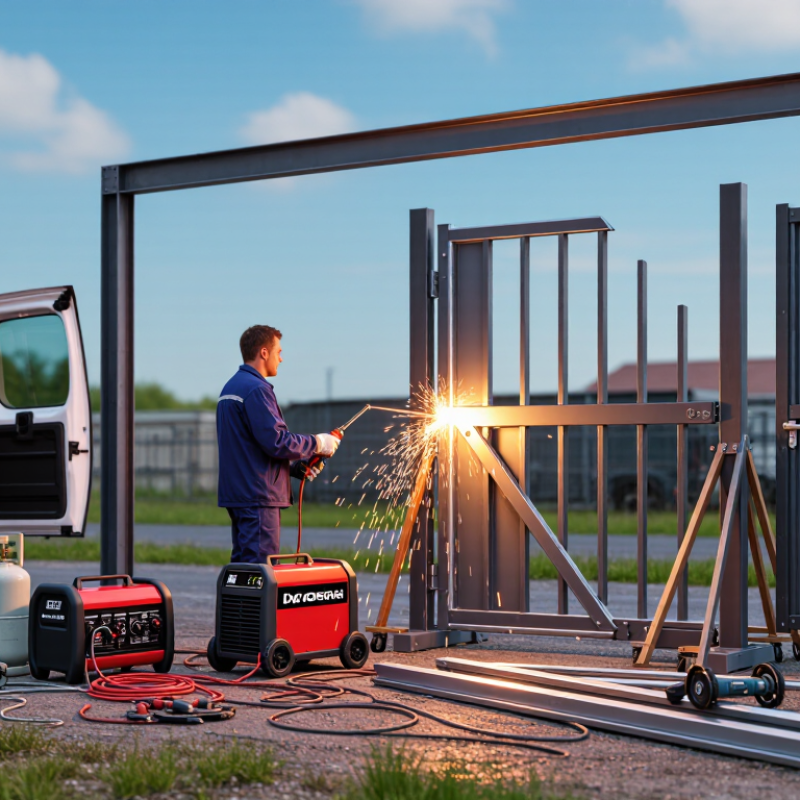
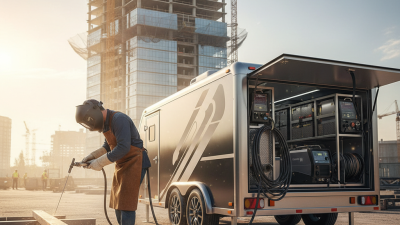
Mobile welding brings professional metal repair and fabrication directly to a customer’s location. Instead of transporting a damaged gate, trailer, pipeline support, or construction frame, a qualified welder travels with specialized equipment. The service may include a welding machine, generator, shielding gas, cables, clamps, grinders, and protective screens. Sometimes, the work happens beside a highway vehicle. Sometimes, it happens inside a busy workshop.
The process begins with an inspection. A welder identifies the metal type, joint condition, access limitations, and likely stress points. Steel, stainless steel, and aluminum may require different techniques and settings. The technician then cleans the surface, prepares the joint, selects suitable filler metal, and controls heat carefully. A rushed weld can look acceptable but fail under vibration or repeated loading. That possibility deserves attention.
James F. Lincoln, an influential welding-industry leader, wrote, “The welding industry is a people industry.” His observation fits mobile welding well. Skill matters, but communication matters too. Customers need clear explanations about preparation, timing, equipment access, and limitations. Not every repair should happen outdoors. Wind can disturb shielding gas, rain can create hazards, and contaminated metal can weaken the finished joint. An experienced professional may recommend workshop fabrication instead.
This guide explains what mobile welding is, how the service works, and where it provides practical value. It also examines safety checks, equipment choices, pricing factors, and quality control. The details may seem small. They are not. A clean edge, stable power source, and careful final inspection can determine whether a repair performs reliably. Mistakes happen, even in skilled work, so honest assessment remains essential.
What Mobile Welding Is and Where It Is Used
Mobile welding is a service that brings welding equipment and a trained welder to the work site. Instead of moving a large object to a workshop, the repair can often happen where the object already sits. A service vehicle may carry a welding machine, cables, protective screens, and hand tools. The welder assesses the material, damage, and working space before choosing a suitable process. Conditions matter. Wind, rain, limited access, or nearby equipment can affect the setup and the quality of a weld. Some jobs still need a workshop; a mobile visit is not a fix for every problem.
Mobile welding is used on farms, construction sites, warehouses, and residential properties. A technician might repair a cracked trailer frame, reinforce a steel gate, or mend a metal bracket on site. In a warehouse, a broken cart or support may be repaired without transporting it across town. That saves handling time. It can also reduce disruption when equipment is difficult to move. Before work begins, the welder should confirm the metal type, dimensions, and repair requirements. Clear access helps, too. One detail is easy to overlook: a repair may look sound but still need inspection, especially when the part carries a heavy load. Ask what preparation and checks the job requires.
What Is Mobile Welding and How Does It Work? — What Mobile Welding Is and Where It Is Used
| Topic | What It Means | Typical Examples |
|---|---|---|
| Definition | Welding work performed at or near the customer’s location rather than exclusively in a fixed workshop. The welder brings suitable equipment and supplies to the job site. | On-site repair, installation, fabrication, or maintenance. |
| How a job works | The welder assesses the work, selects an appropriate process and materials, prepares the joint, makes the weld, and checks the completed work. The exact steps depend on the job and site conditions. | A cracked steel bracket may need inspection, surface preparation, repair welding, and a visual check. |
| Equipment brought to site | Equipment varies by process and location. It can include a welding power source, leads, tools, protective equipment, and, where needed, a generator or shielding-gas cylinders. | A remote site may require a portable power source; a shop or plant may provide suitable electrical power. |
| Common welding processes | Process selection depends on the metal, joint, position, environment, access, and quality requirements. Common arc-welding options include stick (SMAW), MIG (GMAW), and TIG (GTAW). | Stick welding is often practical outdoors; MIG and TIG may suit other applications when conditions and equipment allow. |
| Materials and preparation | Weldability and preparation depend on the material and its condition. Rust, paint, oil, moisture, coatings, or unknown alloys may affect the work and may require special precautions. | Carbon steel is commonly welded; stainless steel and aluminum require suitable procedures and equipment. |
| Where it is used | Mobile welding is useful where moving a large, fixed, or installed item to a workshop is difficult, costly, or impractical. | Construction sites, farms, industrial facilities, vehicle and equipment yards, and remote work locations. |
| Typical work | Work can range from repair and maintenance to assembly or small-scale fabrication. The welder should assess whether the site and the component are suitable for on-site work. | Repairing a gate or trailer, reinforcing a bracket, or joining structural components under an approved procedure. |
| Safety and limitations | Welding involves heat, sparks, electric current, fumes, and intense light. The work area needs appropriate protective equipment, ventilation, fire precautions, and safe access. Some components or regulated work require qualified personnel, inspections, or approved procedures. | A site assessment may identify combustible materials, confined-space hazards, weather exposure, or the need for additional controls. |
Related Posts
-
2026 Top Mobile Welding Innovations and Trends in the Industry?
-
Ultimate Guide to Mobile Welding Techniques for Every DIY Enthusiast
-
10 Best Mobile Welding Services for Your Project Needs?
-
China Best Mobile Welding Solutions for Global Buyers?
-
What Is the 2026 Best Mobile Welding Service for Buyers?
-
2025's Ultimate Guide to the Top 10 Portable Spot Welders for Every DIYer

Contact us
Please fill out the enquiry form, and our dedicated team will promptly attend to your request