How to Weld Steel Like a Pro for Your Next Project?
Welding steel is a skill that can elevate your metalworking projects. Whether you're a novice or have some experience, mastering this craft is essential. With the right techniques and tools, you can achieve professional results.
When it comes to welding, safety is paramount. Wearing protective gear is crucial. You won't want to ignore the hazards involved. Experience shows that beginners often underestimate the importance of preparation. Understanding your equipment can prevent accidents and improve outcomes.
The learning curve can be steep. Many welders face challenges, such as uneven welds or burnt metal. These mistakes can be frustrating. However, reflecting on them leads to improvement. Growing your skills in welding steel is about persistence and practice. You may not get it right at first, but every attempt brings you closer to proficiency.
Understanding the Basics of Welding Steel for Beginners
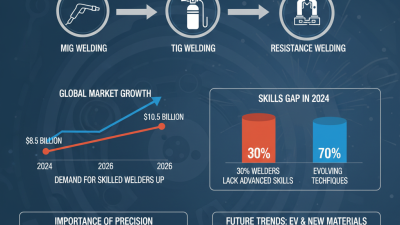
Welding steel can seem daunting for beginners. However, understanding the fundamentals is crucial. A recent report from the American Welding Society highlights that the welding industry is expected to grow by 5.8% annually through 2026. This growth reflects the increasing demand for skilled welders in various sectors.
When starting, knowing the different welding techniques is essential. MIG welding is often suggested for newcomers. It is user-friendly and produces strong welds. In contrast, TIG welding offers precision but demands more skill and practice. A study shows that beginners may encounter a 30% failure rate in their first attempts. This underlines the need for practice and patience.
Safety is paramount when welding. A 2022 safety report indicated that most welding injuries occurred due to improper protective gear. Ensure you invest in quality helmets, gloves, and clothing. This equipment protects against sparks and harmful UV radiation. Moreover, maintaining a well-ventilated workspace is crucial. Improper ventilation can lead to inhaling toxic fumes. Embrace the learning curve, and don't shy away from making mistakes. Each error teaches valuable lessons that contribute to becoming a proficient welder.
Choosing the Right Equipment and Tools for Steel Welding
Choosing the right equipment and tools for steel welding is crucial for achieving professional results. Begin with a reliable welder that suits your project's needs. MIG and TIG welders are popular choices. Consider your experience level when selecting the welder. Beginners might find MIG welding easier to handle, while TIG welding offers more precision for intricate work.
Tips: Always read the manual before using any equipment. This helps you understand safety features and settings. Investing in protective gear is essential. Welding gloves, jackets, and a mask can prevent serious injuries.
Another important aspect is the choice of filler material. The type of steel you are working with will dictate the filler wire or rods. Check the specifications carefully. Using mismatched materials can lead to weak welds.
Tips: Practice on scrap metal before starting your main project. This helps you improve your technique and adjust your equipment. Keep your workspace clean and organized. A cluttered area can cause accidents and hinder your workflow.
Essential Safety Precautions While Welding Steel
Welding steel demands vigilance. Safety is paramount in any welding project. According to the American Welding Society, more than 50% of welding accidents result from inadequate safety precautions. Proper protective gear can prevent serious injuries.
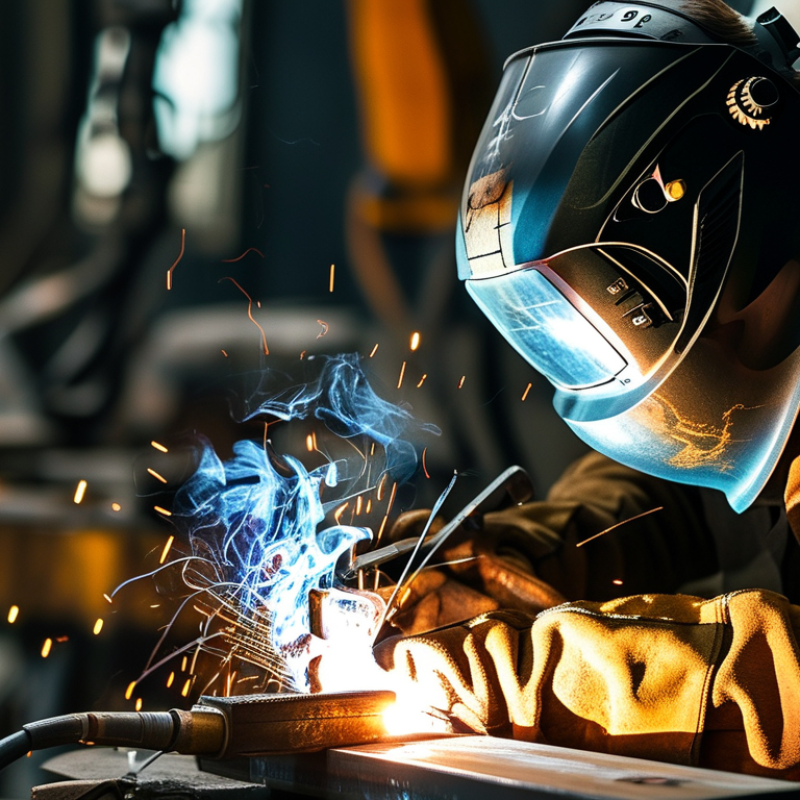
Wear a welding helmet with appropriate shading. This shields your eyes from intense light and sparks. Gloves should be leather, durable, and free of holes. They protect against burns and electrical hazards. It's important to avoid synthetic materials, as they can ignite easily. Additionally, long sleeves and sturdy boots are crucial to insulate your body.
Ventilation is often overlooked. Effective airflow reduces harmful fumes, which can lead to respiratory issues. The National Institute for Occupational Safety and Health emphasizes that overexposure to welding fumes can impair lung function. Regular breaks and a well-ventilated workspace help mitigate risks. Be aware that many welders report fatigue from prolonged exposure to fumes and heat. Reflecting on these factors can improve safety and efficiency in your next welding project.
Welding Steel Safety Precautions
Step-by-Step Welding Techniques for Stronger Joints
Welding steel requires precision and skill. Understanding the basics of welding techniques is crucial. A recent report from the American Welding Society states that quality welds can enhance joint strength by up to 30%. Proper preparation is the first key step. Clean the surfaces to remove rust and contaminants. Use a wire brush or grinder for thorough cleaning. This might seem tedious, but it is essential for strong welds.
Selecting the right welding technique can change the project outcome. MIG welding is popular for its speed and ease, suitable for thin materials. On the other hand, TIG welding provides better control, especially for intricate designs. Ensure the welder settings match the steel thickness to avoid burn-through. Mistakes can lead to weak joints, prompting the need for reworking. Always check your work carefully. A poorly executed weld can compromise structural integrity. Many novice welders overlook the importance of cooling time. Rapid cooling can lead to cracking, impacting the final product.
Understanding these techniques will enhance your welding skills. Experimenting with different methods will help you find what works best. Every welder has room for improvement. Embracing feedback and adjusting techniques is part of the journey to mastery.
Common Mistakes to Avoid When Welding Steel Projects
Welding steel requires skill and awareness of common pitfalls that can derail your project. One significant mistake is undershooting the right temperature. Studies show that improper heat can lead to weak welds. A report by the American Welding Society emphasizes that maintaining an ideal temperature is critical. Overheating can cause warping, while insufficient heat results in weak joints.
Another frequent error is poor joint preparation. Dust, oil, and rust can compromise your weld quality. A survey revealed that nearly 30% of weld failures are due to inadequate surface cleaning. Proper preparation includes grinding and cleaning with solvents. This ensures a strong bond and prevents defects that may arise later.
Additionally, lack of practice with different welding techniques can cause hesitation in crucial moments. A skilled welder often knows what works best in various scenarios. Regularly practicing different techniques helps build muscle memory and confidence. Ignoring this aspect can lead to inconsistent results and wasted materials. Understanding these pitfalls will help elevate your welding projects to a professional level.
How to Weld Steel Like a Pro for Your Next Project? - Common Mistakes to Avoid When Welding Steel Projects
| Mistake |
Description |
Consequences |
Tips to Avoid |
| Improper Joint Preparation |
Failing to clean and prepare the edges of the metal pieces can lead to poor weld quality. |
Weak joints and potential failure under stress. |
Use a grinder or a wire brush to clean the surfaces before welding. |
| Incorrect Settings on the Welder |
Not adjusting voltage, amperage, or wire feed speed according to the material thickness. |
Burn-through, undercutting, and insufficient penetration. |
Refer to the welder’s manual for settings based on material thickness. |
| Poor Technique |
Holding the torch at the wrong angle or moving too fast or slow during welding. |
Inconsistent weld bead and potential defects. |
Practice on scrap metal to improve technique before tackling the actual project. |
| Neglecting Safety Precautions |
Not using proper personal protective equipment (PPE) like helmets and gloves. |
Risk of burns, eye damage, and other injuries. |
Always wear appropriate PPE and work in a well-ventilated area. |
| Ignoring the Heat Input |
Too much or too little heat can affect the weld properties negatively. |
Cracking and warping of the base metal. |
Maintain consistent travel speed, and control the heat input during the welding process. |