China Top Bellows Valves Manufacturers and Suppliers?
China has become a significant source of industrial valve equipment, including Bellows Valves for demanding process applications. Manufacturers and suppliers serve chemical plants, pharmaceutical facilities, power stations, and vacuum systems. Their capabilities vary widely.
A reliable supplier should demonstrate practical experience, stable production, and clear engineering documentation. Look for formed or welded bellows, stainless steel body options, low-emission packing designs, and tested pressure performance. Material certificates matter. So do traceable inspection records.
Good manufacturers explain how their valves handle temperature cycles, corrosive media, vibration, and repeated operation. Product drawings should show connection sizes, pressure ratings, face-to-face dimensions, and actuator requirements. Factory audits can reveal details that brochures often miss, such as machining consistency or cleanliness controls.
Not every impressive catalog reflects equal manufacturing depth. That deserves attention. Some suppliers depend heavily on outside workshops, while others control machining, assembly, testing, and packaging internally. Buyers should compare actual test reports, response times, spare-parts support, and export experience.
Quality systems may follow recognized standards, but certification alone does not guarantee suitable performance. Application details still guide the final choice. A valve designed for clean steam may not fit a corrosive chemical line. Technical communication can also expose risks early, especially when drawings, media data, or operating temperatures are incomplete.
This guide reviews China’s top Bellows Valves manufacturers and suppliers through practical purchasing criteria. It considers product range, engineering competence, quality assurance, customization, delivery reliability, and after-sales support. The goal is not to praise every company equally. It is to help industrial buyers identify dependable partners with evidence behind their claims.
What Are Bellows Valves and How Do They Work?
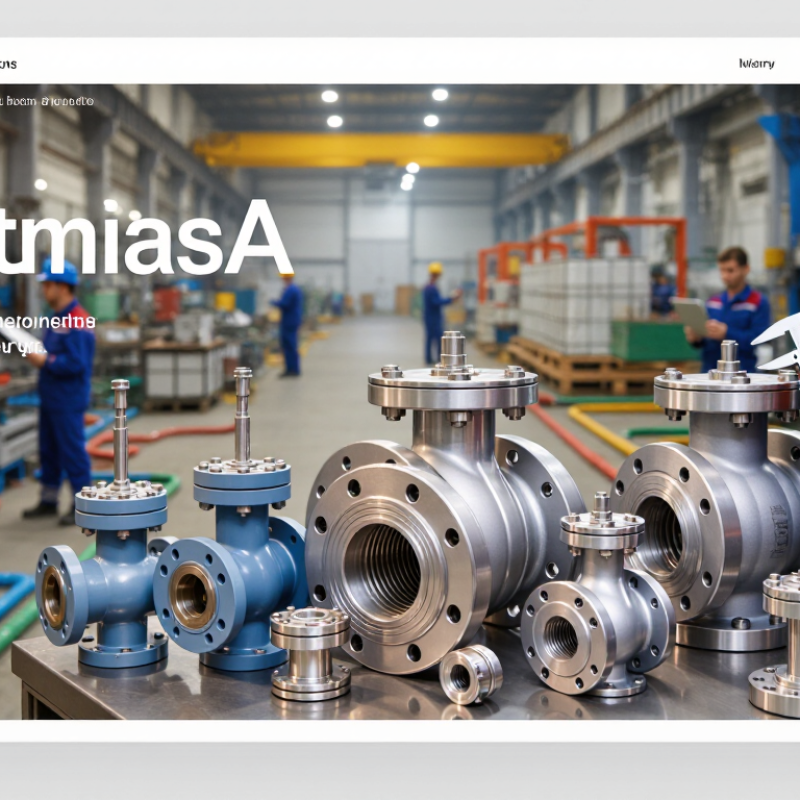
Bellows valves control fluid flow while limiting leakage around the valve stem. Their key component is a thin, flexible metal bellows. It connects the stem to the valve body and expands or contracts during operation. The stem stays dry. That detail matters.
When an operator turns the handwheel, the stem moves the plug toward or away from the seat. The bellows follows this movement without allowing process fluid to reach the stem threads. Welded edges create a sealed barrier, which helps protect workers and reduces emissions in demanding systems. These valves are often selected for toxic, corrosive, high-purity, or vacuum service.
Material selection requires careful engineering. Stainless steel may suit many chemical systems, while nickel alloys can handle more aggressive conditions. Temperature, pressure, stroke length, and cycling frequency also affect service life. A valve that performs well in a laboratory may fail sooner in a plant with vibration and frequent adjustment. This is easy to underestimate.
Reliable suppliers should provide pressure-test records, material certificates, welding details, and clear operating limits. Inspectors should check bellows movement, seat tightness, and signs of fatigue during maintenance. Nothing is maintenance-free. Bellows valves reduce stem leakage, but they still need correct sizing, clean installation, and controlled operation. A small installation error can shorten bellows life.
Key Features and Applications of Bellows Valves in Industry
China Top Bellows Valves Manufacturers and Suppliers?
Bellows valves use a welded metal bellows to isolate the stem from the process fluid. This design limits fugitive emissions and protects internal moving parts. The U.S. Environmental Protection Agency identifies valves as major sources of equipment leaks in process facilities. Bellows sealing addresses that weakness directly. It also reduces lubricant contamination in high-purity service.
The key features are zero stem leakage, corrosion-resistant materials, compact construction, and precise shutoff. Performance depends on bellows geometry, weld quality, pressure rating, and cycle life. ASME B16.34 supports pressure-temperature design requirements for industrial valves. ISO 15848-1 evaluates external leakage under defined temperature and mechanical cycling conditions. These standards help buyers compare suppliers in China using measurable criteria.
Bellows valves serve chemical plants, semiconductor lines, pharmaceutical equipment, vacuum systems, and cryogenic installations. They are especially useful near toxic, radioactive, or high-value fluids. MarketsandMarkets estimates the global industrial valves market will grow from about 82 billion dollars in 2024 to nearly 97 billion dollars by 2029. That expansion increases demand for dependable sealing technology. Still, a polished certificate is not enough. Maintenance records, weld inspection, material traceability, and actual cycle testing deserve equal attention. Small details matter.
| Valve Category | Operating Principle | Typical Materials | Key Features | Common Industrial Applications | Primary Selection Considerations |
|---|---|---|---|---|---|
| Bellows-Sealed Globe Valve | A globe-style closure element regulates or stops flow while a welded metal bellows isolates the stem from the process medium. | Valve body: carbon steel, stainless steel, or alloy steel; bellows: commonly 304L, 316L, or other corrosion-resistant stainless steel. |
| Chemical processing, petrochemical plants, steam systems, high-purity gas service, and hazardous-fluid handling. | Required flow coefficient, pressure drop, temperature, corrosion resistance, seat design, and emission-control requirements. |
| Bellows-Sealed Gate Valve | A rising or non-rising gate moves perpendicular to the flow path; the bellows protects the stem sealing area from the process fluid. | Carbon steel, stainless steel, low-temperature steel, or alloy steel bodies; stainless-steel bellows and gate components. |
| Oil and gas processing, power generation, steam isolation, chemical pipelines, and industrial utility systems. | Line size, pressure class, temperature range, gate configuration, end connection, and frequency of operation. |
| Bellows-Sealed Stop Valve | A shutoff element moves against a seat to interrupt flow, while the formed or welded bellows provides secondary stem containment. | Stainless steel, carbon steel, alloy steel, and corrosion-resistant bellows alloys selected for the service medium. |
| Hazardous chemical service, hot oil systems, refrigeration systems, and process control piping. | Shutoff tightness, actuator compatibility, cycle life, seat material, and the chemical compatibility of wetted parts. |
| Vacuum Bellows Valve | A metal bellows provides hermetic or highly leak-resistant stem movement in vacuum and ultra-high-vacuum environments. | 316L stainless steel is widely used; other vacuum-compatible stainless steels and specialized alloys may be selected. |
| Semiconductor production, vacuum coating, laboratory equipment, analytical instruments, and research systems. | Leak-rate specification, vacuum level, internal cleanliness, bake-out temperature, particle control, and flange standard. |
| Cryogenic Bellows Valve | A bellows-sealed valve controls or isolates cryogenic fluids while minimizing stem leakage at very low temperatures. | Stainless steel bodies and trim are common; bellows materials are selected for low-temperature ductility and fatigue resistance. |
| Liquid nitrogen, liquid oxygen, liquid argon, LNG systems, air-separation plants, and cryogenic storage installations. | Minimum design temperature, oxygen compatibility, thermal contraction, bonnet length, insulation arrangement, and pressure rating. |
| High-Temperature Bellows Valve | A metal bellows accommodates stem movement while the valve body, trim, packing-free sealing arrangement, and materials withstand elevated temperature. | Alloy steel, stainless steel, nickel-based alloys, graphite-based secondary seals, and temperature-resistant bellows materials. |
| Thermal power plants, refineries, chemical reactors, heat-transfer systems, and industrial steam networks. | Design temperature, thermal cycling, oxidation resistance, pressure-temperature rating, trim hardness, and actuator limits. |
| High-Purity Bellows Valve | A compact, low-dead-volume valve uses a welded bellows to isolate the operating mechanism from ultra-clean process fluids. | Electropolished 316L stainless steel and compatible high-purity elastomers or metal seals, depending on the design. |
| Microelectronics, pharmaceutical manufacturing, biotechnology, specialty-gas distribution, and laboratory gas systems. | Surface finish, internal cleanliness, particle limits, gas compatibility, orbital-weld quality, and cleanroom packaging. |
| Actuated Bellows Valve | Pneumatic, electric, or hydraulic actuation moves the valve closure element while the bellows maintains stem containment. | Body and trim materials vary by process; stainless-steel bellows are widely used for corrosive or emission-sensitive service. |
| Automated process lines, chemical dosing, utility skids, emergency isolation, and distributed control systems. | Actuator torque or thrust, fail position, response time, power supply, control signal, cycle frequency, and maintenance access. |
| Weld-End Bellows Valve | The valve is permanently connected to the piping by butt welding or socket welding to create a compact, low-leakage joint. | Stainless steel, carbon steel, alloy steel, and nickel alloys selected according to the piping system. |
| High-purity gas lines, power plants, chemical processing, vacuum systems, and high-pressure instrumentation piping. | Pipe schedule, weld procedure, material compatibility, inspection requirements, installation clearance, and future maintenance strategy. |
| Flanged Bellows Valve | The valve is connected using bolted flanges with gaskets, while the internal bellows provides stem sealing. | Carbon steel, stainless steel, alloy steel, and specialized alloys; gasket materials are chosen for pressure and temperature service. |
| Refineries, chemical plants, power stations, water-treatment facilities, and general industrial piping. | Flange standard, pressure class, facing type, gasket selection, bolt loading, alignment, and available installation space. |
How to Evaluate China’s Bellows Valve Manufacturers
China’s bellows valve sector serves chemical, semiconductor, pharmaceutical, and vacuum applications. Evaluation should begin with evidence, not catalog language. Grand View Research valued the global industrial valves market at over USD 78 billion in 2023. However, bellows valves represent only a specialized segment. Market estimates can therefore mislead.
Ask manufacturers for material certificates, weld procedures, and pressure-test records. Check whether the bellows meet the required cycle life under actual temperature and pressure. ISO 15848-1 provides a recognized framework for fugitive-emission testing. EN 12567 also addresses metal-bellows sealed valves for industrial use.
Reliable suppliers should explain test conditions clearly. Vague phrases like “zero leakage” deserve questions. A polished factory video proves little. I would inspect traceability from raw strip material to final assembly. That step is often overlooked.
Tips:
Request a sample inspection plan before ordering. Compare bellows thickness, forming method, and weld design. Confirm helium or air-leak testing equipment. Ask for recent, verifiable reports, not blank templates. Review quality records from similar valve sizes. A small weakness may appear here.
Also assess engineering support, spare-part control, response time, and change-notification procedures. The 2024 MarketsandMarkets industrial valves analysis highlights rising demand for automation and condition monitoring. Suppliers should therefore provide dimensional drawings and actuator data, when applicable.
Price remains useful, but it should never replace process evidence.
Leading Manufacturing Regions and Supplier Capabilities in China
China’s bellows valve supply base is concentrated in several manufacturing regions. Zhejiang, especially Wenzhou, supports dense networks of precision machining, casting, and export-oriented assembly workshops. Jiangsu and Shanghai offer stronger engineering links with chemical, semiconductor, pharmaceutical, and energy projects. Sichuan also contributes suppliers serving demanding industrial and high-temperature applications.
Regional capability differs noticeably. Zhejiang factories often provide flexible batch production and competitive pricing. Jiangsu suppliers commonly emphasize automated welding, material traceability, and pressure testing. Shanghai-based companies are more likely to support project documentation, clean-service requirements, and international inspection. According to UNIDO’s International Yearbook of Industrial Statistics 2024, China generated about 31% of global manufacturing value added in 2022. That scale supports extensive component sourcing, but it does not guarantee equal valve quality.
Industry buyers should examine more than catalog size. The MarketsandMarkets Industrial Valves Market report published in 2024 identifies process automation, energy efficiency, and stricter emission control as major demand drivers. For bellows valves, buyers should request helium leak-test records, weld procedures, cycle-test results, and material certificates. ISO 15848 testing can help evaluate fugitive-emission performance. MSS SP-117 is also relevant for metal bellows seal design. Supplier audits remain essential. A polished factory tour can hide weak documentation. That risk deserves attention. UN Comtrade data under HS 848180 can help compare China’s export activity, although the code covers many valve types, not bellows valves alone.
Quality Standards, Customization, and Export Considerations
China Top Bellows Valves Manufacturers and Suppliers?
Quality Standards, Customization, and Export Considerations
When evaluating China-based bellows valve manufacturers, buyers should inspect quality systems beyond polished catalogs. ISO 9001 certification can support consistency, but it does not replace product testing. Ask for material traceability, welding qualifications, pressure-test records, and helium leak-test results. Applicable ASME, API, or EN requirements should match the project and destination market. A factory audit can reveal practical details, such as clean assembly areas and clearly labeled inspection tools.
A reliable supplier should review pressure, temperature, media, connection type, and operating cycles before proposing a design. Bellows thickness, stem material, bonnet structure, and actuator selection can affect service life. Request drawings, dimensional tolerances, inspection plans, and sample approval records. Small details matter. A certificate alone is not proof of performance. In my experience, prototype testing may expose issues that technical documents miss, especially around repeated cycling and thermal expansion. That extra review can feel slow, but it prevents expensive modifications later.
Export preparation also deserves careful attention. Confirm Incoterms, production lead time, spare-part availability, and destination-country documentation. Each shipment should include packing lists, commercial invoices, certificates of origin, material certificates, and test reports when required. Moisture-resistant wrapping, end protection, and shock indicators help preserve valves during sea transport. Customs classification should be checked with qualified professionals. Some suppliers communicate well before payment, then respond slowly after dispatch. That risk is easy to underestimate. A written inspection schedule and clear acceptance criteria create stronger accountability.
Article Source:
Contact us
Please fill out the enquiry form, and our dedicated team will promptly attend to your request