Top 10 Package Dyeing Machines for Global Buyers
A Package Dyeing Machine can look impressive on a specification sheet and still perform poorly in a working dyehouse. The real test is whether it handles the buyer’s yarn, package density, batch size, and color requirements consistently. Look closely at spindle capacity, liquor circulation, temperature control, pressure rating, and loading access. A crowded floor can make a small unloading delay matter. So can uneven package winding.
Textile process engineer Dr. Asha Rao puts the buying principle simply: “Judge a dyeing machine by the consistency it delivers across the whole batch, not by its headline capacity.” That is a practical lens for this guide, not a substitute for production trials. Buyers should request references, inspect comparable installations, and verify service support, spare-part access, and operator training. Ask how the supplier controls flow differences between inner and outer yarn layers. Small details count.
This overview compares ten machines for global buyers, from compact production setups to larger industrial lines. It considers capacity, automation, process flexibility, energy use, and maintenance needs. The right choice depends on the material and the dyehouse, not rankings alone. A model with advanced controls may still be a poor fit for a plant with limited technical support. That deserves a second look. Before ordering, confirm the proposed machine against your actual package dimensions and recipe conditions. Then test it. A brochure cannot dye a batch.
What Package Dyeing Machines Are and How They Work
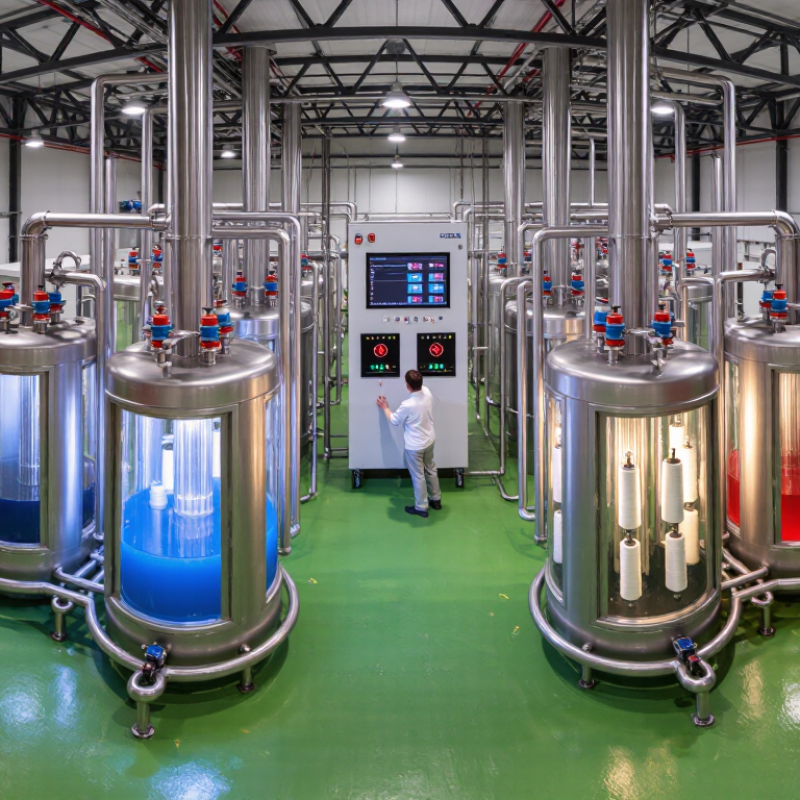
Package dyeing machines color yarn wound onto perforated tubes, forming compact packages. These packages sit on a central spindle inside a sealed vessel. A pump drives heated dye liquor through the yarn, usually from inside to outside. Many machines reverse the flow to improve shade uniformity. Pressure, temperature, circulation rate, and dye concentration all affect the result.
Small details matter. If packages are wound too tightly, liquor may struggle to penetrate the center. Winding them too loosely can cause distortion or uneven flow. Operators check package density, loading patterns, and temperature changes during a cycle; the outside can look evenly dyed while inner layers remain pale. That check is easy to underestimate.
Textile Exchange’s 2024 Materials Market Report estimated global fiber production at 124 million tonnes in 2023, illustrating the scale of the textile supply chain. The figure covers fibers, not package-dyed yarn specifically. Still, it helps explain why repeatable dyeing and careful process control matter to mills serving varied orders.
Key Specifications for Comparing Package Dyeing Machines
A practical comparison of package dyeing machines starts with the package, not the catalogue. Record the yarn type, package dimensions, and expected batch weight. Then check the machine’s working capacity and spindle count. A vessel rated for a large load may not perform evenly when packages differ in density. Small details matter.
Compare the maximum operating temperature and pressure with your dyeing recipes, and ask how accurately each system controls both. Review the liquor ratio, circulation direction, and pump capacity; these affect dye penetration and shade consistency. This matters. Check heating and cooling rates, too, since fast changes can stress delicate yarns. Ask whether the machine supports recipe storage and records key process data. A simple, readable interface can be more useful than a long list of features.
Look closely at wetted parts and seals, especially if your process uses demanding auxiliaries. Ask how operators access filters, valves, and package carriers during cleaning. Easy access saves time. Energy and water figures are worth comparing, but request the test conditions behind them; figures from different load sizes can mislead. A supplier’s trial with your actual package format may reveal uneven flow that specifications miss. It is tempting to trust a tidy comparison sheet. I would leave room for doubt until the machine has run a representative batch.
Top 10 Package Dyeing Machines for Global Buyers
For global buyers comparing the top 10 package dyeing machines, capacity alone is a poor guide. Textile Exchange’s Materials Market Report 2024 estimates that global fiber production reached 124 million tonnes in 2023, with polyester representing 57%. That scale makes consistent shade control and repeatable processing important, especially for synthetic yarns. The report measures fiber production, not machine performance. Buyers should treat it as market context, not proof that one machine design suits every mill.
Compare usable package capacity, spindle count, liquor circulation, operating pressure, and control-system repeatability. Ask suppliers for trial records using your yarn count, package density, and target shade. Check whether operators can load packages evenly and clean filters without long stoppages. Small lots matter. A large-capacity unit may look efficient on paper, yet create avoidable changeover time for varied orders. Also verify local service access, spare-part lead times, utility requirements, and documented safety features. These details can differ sharply between production sites. A ranking is only a starting point; actual trials reveal where the assumptions fail.
How to Choose a Machine for Your Yarn and Production Needs
Choosing a package dyeing machine starts with the yarn, not the catalogue. Cotton, wool, polyester, and blended yarns respond differently to heat, pressure, and dye circulation. Check the yarn count, fiber type, and package density before comparing machine capacity. A tightly wound package can block liquor flow and leave pale areas inside. Small details matter. Ask whether the winding tubes and package dimensions match your regular production.
Batch size is important, but consistent circulation matters just as much. Review the pump capacity, flow direction, temperature control, and pressure range against your dyeing recipes. For delicate yarn, gentle circulation may help reduce package distortion. For dense packages, stable flow can improve shade uniformity. Do not rely on a single advertised liquor ratio. Actual consumption depends on the vessel, load, and process conditions. A little uncertainty remains until the machine is tested with your yarn.
Before purchase, request a trial using representative packages and a familiar shade. Compare color from the outer layers to the package core, and record water, energy, and cycle time. Ask operators to assess loading access, cleaning, and routine maintenance. These details affect daily output more than a polished specification sheet suggests. If trial results vary, investigate winding tension and package preparation before blaming the machine. The best fit is the one that handles your real batches reliably, not just an ideal test load.
Top 10 Package Dyeing Machine Configurations
Compare typical batch-capacity bands to match a machine configuration to your yarn volume and production needs.
The bars show the upper end of indicative capacity bands in kilograms per batch. These are planning ranges, not standardized specifications: actual capacity depends on vessel design, yarn package density, carrier arrangement, liquor ratio, and process requirements. Confirm usable capacity with the machine supplier.
Installation, Operation, and Long-Term Maintenance Considerations
For buyers comparing package dyeing machines, installation quality deserves as much attention as vessel capacity. Confirm floor loading, access for basket removal, drain gradients, and service clearance before delivery. A narrow aisle can turn a routine seal replacement into a costly shutdown. Check that steam, water, compressed air, and electrical connections match the supplier’s documented requirements. During commissioning, record flow, pressure, temperature, and leak-test results. Keep those baseline readings.
Operation affects both batch consistency and running costs. The International Energy Agency’s Energy Efficiency 2023 report estimates that industry accounts for about 37% of global energy use. That broad figure is not a dyehouse benchmark, but it shows why heat loss and pump efficiency merit attention. Insulate accessible hot-water lines, inspect steam traps, and compare actual heating times across similar recipes. Small details matter. Train operators to record liquor ratio, temperature ramps, and unusual vibration; otherwise, gradual changes may look like recipe variation. For long-term maintenance, inspect seals, filters, valves, and circulation pumps on a schedule adjusted to operating hours and water quality. Keep spare wear parts on site, but do not replace components blindly. A tidy checklist helps; it cannot substitute for investigating recurring faults. We should also admit that maintenance intervals copied from another mill may not fit your machine, workload, or local water conditions.
Article Source:
Contact us
Please fill out the enquiry form, and our dedicated team will promptly attend to your request