How to Choose a Chenglong Emergency Vehicle?

Choosing a Chenglong Emergency Vehicle requires more than comparing engine power and exterior design. The right vehicle must match real operating conditions, crew needs, and maintenance capacity. Emergency teams may travel through crowded streets, steep roads, flood-prone areas, or remote industrial zones. Each environment changes the required chassis, storage layout, lighting, communication equipment, and driving performance.

Start with the mission. Will the vehicle support firefighting, medical response, rescue operations, or mobile command work? A Chenglong Emergency Vehicle should provide suitable payload capacity without reducing stability. Check the available compartment space carefully. Can responders reach medical kits quickly? Do tools remain secure during sudden braking? Small details matter. Door height, step position, visibility, and cabin comfort can influence response efficiency and staff safety.

Review technical documents from the manufacturer and confirm service support in your region. Important points include engine specifications, transmission performance, axle design, braking systems, electrical capacity, and body construction. Local vehicle standards and emergency equipment requirements must also be verified by qualified professionals. Do not rely on attractive brochures alone. Real performance depends on training, maintenance, road conditions, and responsible operation.

A practical inspection should include a cold start, brake test, turning assessment, and equipment-access check. Speak with experienced operators whenever possible. Their feedback may reveal weaknesses that specifications overlook. No vehicle is perfect. A model that suits one department may burden another with excess weight, complex maintenance, or limited storage. Choose the Chenglong Emergency Vehicle that offers dependable performance, clear support, and measurable value over its working life.
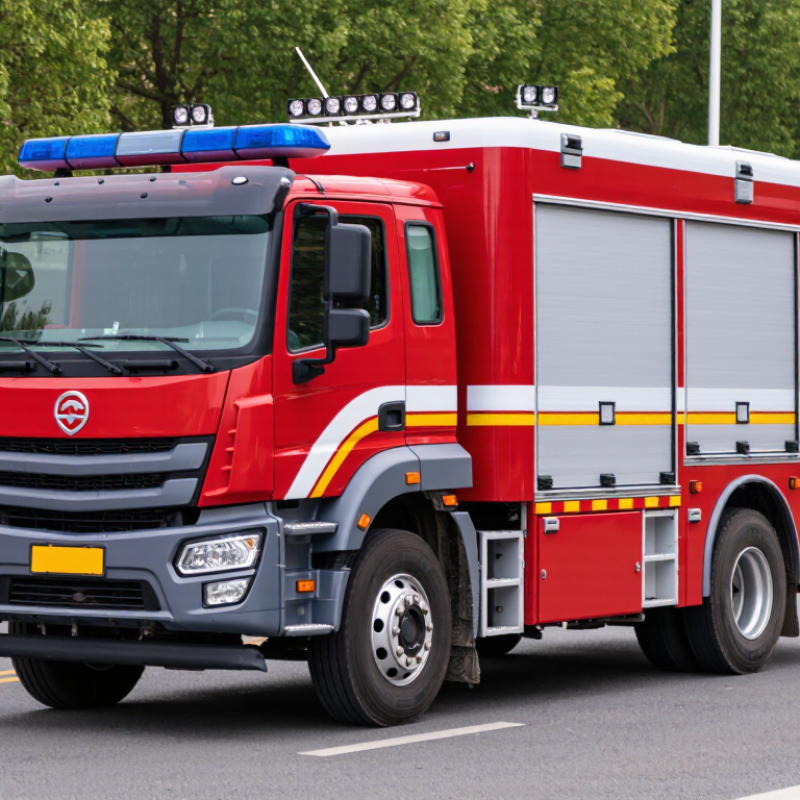
How to Choose a Chenglong Emergency Vehicle?

Understanding Chenglong Emergency Vehicle Types and Their Roles

Emergency vehicle selection starts with the mission, not the exterior design. An ambulance supports patient transport, first aid, monitoring, and safe access for medical crews. A rescue truck carries cutting tools, lifting equipment, lighting systems, and recovery gear. A command vehicle provides communication space, maps, charging points, and coordination support during extended incidents. Each type serves a different operational role.

Road conditions also shape the choice. Urban teams may prefer a compact vehicle with tight turning and quick cabin access. Rural responders often need higher ground clearance, stronger suspension, and extra fuel capacity. Check payload carefully. Medical devices, water, tools, crew members, and protective equipment can exceed expectations. I have seen specifications look impressive until real equipment filled the storage area. That mistake is easy to repeat.

Tips: Match the vehicle to response time, terrain, crew size, and equipment weight. Test door movement while wearing gloves. Measure storage shelves with actual cases, not catalog dimensions. Review maintenance access, battery capacity, visibility, and communication space with experienced operators. A vehicle can be powerful but still awkward in narrow streets. Invite drivers and technicians to test it together. Their criticism may reveal problems that a polished demonstration hides.

How to Choose a Chenglong Emergency Vehicle?

Understanding Emergency Vehicle Types and Their Roles

This comparison uses typical operational capacities for common emergency vehicle categories. Ambulances are designed for patient transport, fire engines carry firefighting crews and water, rescue trucks prioritize specialized equipment, and command vehicles support coordination rather than transport.

Assessing Mission Requirements and Operating Conditions

Choosing an emergency vehicle starts with its mission, not its appearance.

Define the payload, crew size, equipment volume, response distance, and deployment frequency. A rescue unit carrying medical gear needs different storage access than a firefighting vehicle carrying pumps and hoses.

NFPA 1900 emphasizes vehicle performance, equipment mounting, electrical systems, and crew safety for emergency apparatus.

Operating conditions can change the correct specification.

The World Health Organization reported approximately 1.19 million annual road deaths worldwide in its Global Status Report on Road Safety 2023. Poor visibility, crowded roads, steep routes, and long response distances demand reliable braking, stable handling, effective lighting, and clear driver sightlines.

In cold regions, battery capacity and heating performance matter. In hot climates, cooling systems and air-conditioning endurance deserve equal attention.

Test the vehicle in realistic conditions.

Drive it fully loaded, at night, on wet surfaces, and across uneven access roads. Check door clearance, equipment reach, turning radius, and cabin noise.

Small details matter. NFPA’s Fire Loss in the United States During 2023 recorded about 1.39 million fires, showing why readiness cannot depend on ideal conditions.

A common mistake is choosing maximum power without measuring maintenance access or fuel use. I have seen specifications look impressive on paper, yet become inconvenient during repeated field deployment.

The final assessment should include technician feedback, operator fatigue, local service capability, and a documented trial period.

Comparing Chassis, Powertrain, and Emergency Equipment

Choosing an emergency vehicle starts with its chassis, not its paint or warning lights. A rigid frame should support the vehicle, equipment, crew, and medical supplies without excessive flex. During inspection, check ground clearance, axle capacity, suspension travel, and door access. These details matter on uneven roads and crowded incident sites.

Powertrain selection should match the mission. A diesel engine may suit long-distance rescue work, while a quieter alternative can benefit urban response teams. Compare torque, transmission behavior, fuel use, cooling capacity, and service access. A powerful engine is not always the best choice. Extra output can increase weight, noise, and operating costs. Test the vehicle under realistic load, not only during an empty showroom drive.

Emergency equipment must be practical and securely mounted. Confirm that stretchers, oxygen cylinders, fire extinguishers, radios, lighting, and first-aid cabinets remain reachable while wearing gloves. Interior lighting should reduce glare at night. Exterior lights need clear visibility without distracting other road users. Every switch should have a label and a logical position. Small details save time.

I would also inspect cable protection, battery isolation, ventilation, and backup power. These features are easy to overlook. A vehicle can appear highly equipped yet perform poorly when several systems run together. Independent technicians should verify load limits, braking performance, electrical safety, and equipment anchoring before delivery. Recheck everything after several weeks of service, because real roads often reveal weaknesses that a workshop inspection misses.

Checking Safety Features, Reliability, and Maintenance Support

Choosing an emergency vehicle requires more than checking its engine size or painted appearance. During a practical inspection, examine braking response, steering control, tire condition, and emergency lighting from several angles. Safety systems should remain easy to operate while wearing gloves. Clear access matters too. Doors should open smoothly, even on uneven ground.

Reliability becomes visible through service records, not promises. Ask for documented inspections, component replacements, and fault reports. Check the cooling system, battery capacity, suspension, and electrical connections. A vehicle may start perfectly during a showroom visit and still fail after hours of demanding operation. That risk deserves careful questioning. I would also request a road test with realistic equipment onboard. Empty vehicles can hide handling problems.

Maintenance support should include trained technicians, available parts, response times, and clear warranty conditions. Confirm whether routine servicing can be completed near your operating area. Ask who handles electronic faults after normal business hours. Small delays can become serious operational problems. Speak with current operators when possible; their experience often reveals repeated warning-light issues or difficult repairs. I would not pretend every inspection is complete. Weather, driver habits, and equipment weight can change performance. A written inspection checklist helps reduce forgotten details, although it cannot replace experienced judgment.

Evaluating Cost, Compliance, and Long-Term Value

Choosing an emergency vehicle requires more than comparing purchase prices. A practical evaluation starts with the vehicle’s intended duty, local terrain, response distance, and daily operating hours. A lower quote may exclude medical equipment, communication systems, training, or registration costs. Ask for a complete cost schedule.

Compliance should be checked before negotiations. Confirm the vehicle meets local safety rules, emergency lighting requirements, electrical standards, weight limits, and medical-facility specifications. Request test certificates, inspection records, maintenance procedures, and warranty terms. A qualified fleet engineer should review these documents. Small omissions can delay deployment.

Long-term value depends on reliability and support. Examine fuel use, battery access, tire costs, corrosion protection, and the availability of trained technicians. Ask how quickly replacement parts can arrive in your region. A vehicle that sits idle for two weeks is expensive, even when its purchase price looked attractive. Service intervals should match your fleet’s workload. They may not.

Inspect the interior carefully. Check stretcher movement, storage access, ventilation, lighting, and cleaning surfaces. During a demonstration, measure loading time with actual equipment. This reveals practical problems that brochures often miss. I would also compare three years of projected operating costs, not just the invoice. That estimate will be imperfect, but it encourages honest questions. Reliable records, transparent specifications, and independent inspection provide stronger evidence than confident sales claims.

How to Choose a Chenglong Emergency Vehicle? - Evaluating Cost, Compliance, and Long-Term Value
Evaluation Dimension Light-Duty Ambulance Medium-Duty Rescue Vehicle Heavy-Duty Command Vehicle Why It Matters
Typical Primary Use Patient transport, basic emergency medical care, and urban response Road rescue, fire support, disaster response, and multi-equipment deployment Incident command, communications, extended operations, and specialist coordination Match the vehicle to the mission rather than paying for equipment that will rarely be used.
Indicative Purchase Price USD 80,000–180,000 USD 180,000–450,000 USD 350,000–900,000+ Final pricing depends on chassis, medical or rescue equipment, communications systems, local taxes, and certification requirements.
Typical Gross Vehicle Weight 3.5–7.5 tonnes 7.5–18 tonnes 18–30+ tonnes Weight affects driving-licence requirements, road access, payload, fuel use, and operating restrictions.
Usable Payload After Conversion Approximately 700–2,000 kg Approximately 2,000–7,000 kg Approximately 5,000–12,000 kg Payload must include crew, patients, water, fuel, tools, medical equipment, batteries, and future additions.
Typical Fuel Consumption Approximately 10–16 L/100 km Approximately 18–35 L/100 km Approximately 25–50 L/100 km Actual consumption varies with vehicle weight, engine, terrain, idling time, emergency driving, and climate-control use.
Annual Mileage Assumption 20,000–50,000 km 10,000–30,000 km 5,000–20,000 km Lower-mileage command vehicles may still incur substantial costs from idling, generator use, inspections, and equipment servicing.
Five-Year Operating Cost USD 45,000–130,000 USD 80,000–240,000 USD 120,000–350,000 Estimate includes fuel, scheduled maintenance, tyres, inspections, and routine equipment servicing; it excludes major accident repairs.
Five-Year Total Cost of Ownership Approximately USD 125,000–310,000 Approximately USD 260,000–690,000 Approximately USD 470,000–1,250,000+ Total cost combines purchase price and five-year operating cost before financing, tax, insurance, and resale value.
Emergency Medical Compliance May require compliance with EN 1789 or the applicable national ambulance standard Usually requires rescue-body, seating, storage, and equipment compliance under the destination jurisdiction Usually requires vehicle, electrical, accessibility, communications, and workplace-safety compliance Standards are jurisdiction-specific. Request current certificates and verify that they apply to the complete finished vehicle.
Road and Vehicle Compliance Vehicle type approval, braking, lighting, emissions, seat-belt, and electrical requirements Vehicle type approval, axle-load limits, braking performance, lighting, emissions, and body-security requirements Vehicle type approval, axle-load limits, emissions, braking, electrical safety, accessibility, and communications requirements Chassis compliance alone does not prove that the converted emergency vehicle is legally road-ready.
Electrical System Dual batteries, shore power, inverter, medical sockets, and auxiliary lighting High-capacity auxiliary batteries, generator or inverter system, scene lighting, and tool connections Redundant power distribution, generator capacity, communications equipment, climate control, and battery monitoring Specify continuous load, peak load, backup duration, charging method, and protection against overload or low voltage.
Maintenance Complexity Low to moderate; widely available commercial-vehicle service support Moderate to high; requires chassis, hydraulic, rescue, and electrical expertise High; specialist electrical, HVAC, communications, and generator maintenance may be required Local service capability can reduce downtime more effectively than a lower initial purchase price.
Expected Service Life Approximately 8–12 years with disciplined maintenance Approximately 10–15 years with scheduled structural and equipment inspections Approximately 12–18 years, subject to technology upgrades and body-condition inspections Service life depends on corrosion control, mileage, duty cycle, preventive maintenance, and availability of replacement parts.
Resale and Upgrade Potential Generally good when mileage, interior condition, and service records are documented Moderate; value depends heavily on body condition, equipment compatibility, and payload margin Variable; older communications, power, and control systems can reduce resale value Choose modular equipment, accessible wiring, and standard interfaces to make future upgrades easier.
Best Choice When Fast urban access, patient transport, and controlled operating costs are priorities One vehicle must carry substantial tools, crew, and rescue equipment Large incidents require sustained command, coordination, and on-site support The best long-term value comes from sufficient capability without excessive unused capacity.
Main Risk to Check Overloading after adding medical equipment, staff, fuel, and oxygen cylinders Insufficient axle-load margin, complex maintenance, and restricted access in dense urban areas High acquisition cost, high idle-time cost, and rapid obsolescence of electronics Conduct a fully loaded weight test, compliance review, and total-cost assessment before purchase.
Cost and compliance note: All figures are planning ranges in U.S. dollars, not quotations. Actual values vary by country, currency, tax, duty, specification, fuel price, annual mileage, labor rates, certification route, and equipment package. Confirm the applicable national regulations and obtain a complete-vehicle compliance file before placing an order.

Contact us

Please fill out the enquiry form, and our dedicated team will promptly attend to your request