How to Choose a Heavy Duty Dog Leash in 2026?

Choosing the right Heavy Duty Dog Leash in 2026 requires more than trusting bold labels or attractive product photos. A strong leash should support safe, controlled walks while matching your dog’s size, strength, habits, and environment. A powerful Labrador pulling toward squirrels needs different equipment from a calm senior dog walking beside you. Materials matter too. Nylon can feel flexible and affordable, while coated webbing may resist moisture and daily grime. Leather offers comfort, but it needs regular care and can become stiff when neglected.

Real-world use often reveals what product descriptions hide. Check the stitching near the handle, the clasp’s locking action, and the condition of every connection point. A leash may look thick yet fail at a weak swivel or poorly finished seam. It happens. Reflective details can improve visibility during evening walks, but they cannot replace careful handling or proper lighting. A padded handle may reduce friction during sudden pulls, although comfort depends on your grip and the dog’s behavior. There is no perfect choice.

This guide examines leash strength, length, hardware, grip comfort, weather resistance, and cleaning needs. It also considers practical testing methods for homes, sidewalks, parks, and light hiking trails. Reliable guidance should come from material knowledge, hands-on evaluation, and transparent limitations. Before buying, measure your dog, observe its pulling habits, and inspect the leash regularly. Small cracks, loose threads, or rust deserve attention. Your leash is not merely an accessory. It is part of your daily safety system.
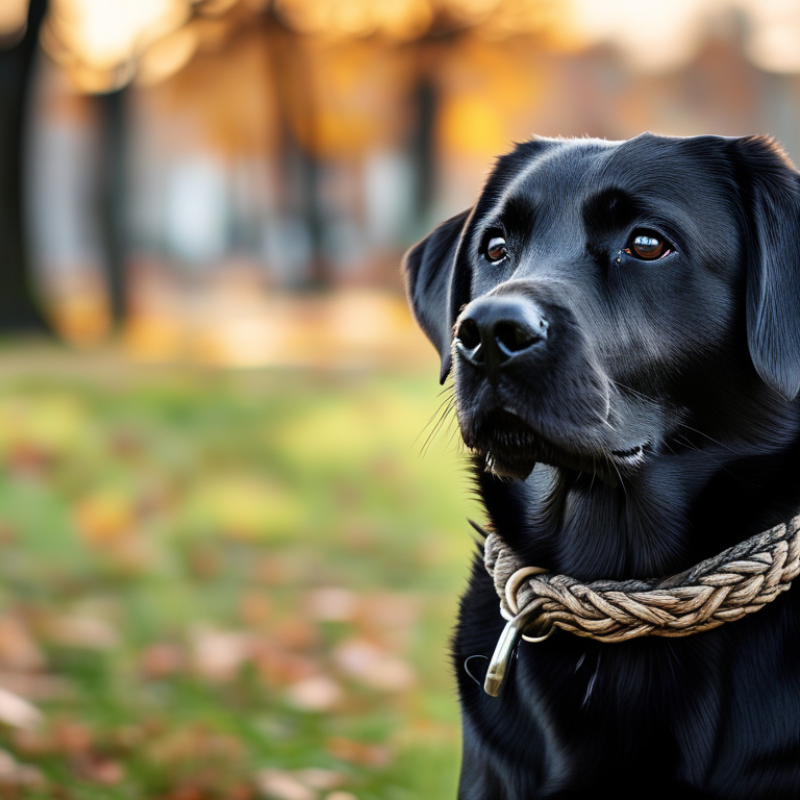
How to Choose a Heavy Duty Dog Leash in 2026?

Define Your Dog Leash Requirements and Walking Conditions

How to Choose a Heavy Duty Dog Leash in 2026?

Define Your Dog Leash Requirements and Walking Conditions

Choosing a heavy duty dog leash starts with your dog, not the product label. Consider weight, pulling strength, chewing habits, and daily energy. A small dog may need a lightweight leash, while a powerful dog needs stronger webbing and reinforced stitching. I also check the clasp carefully. It should close smoothly, resist twisting, and match the dog’s size. A leash that feels strong can still be uncomfortable or unnecessarily heavy.

Walking conditions matter just as much. For crowded sidewalks, choose a shorter leash for better control. Open parks may suit a longer option, but only where local rules permit it. Rainy routes require quick-drying materials and rust-resistant hardware. Night walks benefit from reflective details, although reflection alone does not replace visibility and attention. I once chose a leash based mainly on thickness. It lasted well, but the stiff handle caused hand fatigue.

Tips: Test the leash indoors before a long walk. Hold it with gloves and bare hands. Check whether the handle slips, whether the clasp rotates, and whether the length feels manageable. Inspect stitching after every few walks, especially near the handle and attachment point. Replace damaged equipment promptly. For dogs that lunge, consult a qualified trainer about handling techniques and suitable walking gear. A stronger leash cannot correct unsafe habits by itself.

Compare Heavy Duty Leash Materials, Lengths, and Construction

How to Choose a Heavy Duty Dog Leash in 2026?

Material, length, and construction matter more than a thick-looking handle. The APPA 2023–2024 National Pet Owners Survey reports that 66% of U.S. households own a pet. More dogs also mean more daily walking demands. Nylon is light, flexible, and affordable, but it can absorb water and retain odors. Coated webbing resists moisture and wipes clean quickly. Leather feels comfortable after breaking in, though rain can shorten its useful life. That trade-off is easy to overlook.

For most urban walks, a 1.2–1.8 metre leash offers useful control. A longer line suits recall practice in open, permitted areas, but it increases tangling risk. Check the clasp, swivel, stitching, and handle separately. Reinforced bar-tacks usually deserve more trust than decorative thickness. The Pet Industry Distributors Association’s 2024 retail outlook identifies durability as a major purchase consideration for pet accessories. Still, “heavy duty” is not a universal safety rating. Match the leash’s tested load to your dog’s weight, strength, and pulling style. I would not rely on appearance alone.

Tips: Run your fingers along every seam. Look for loose threads, sharp metal edges, or a clasp that opens under light pressure. Replace the leash after serious chewing or visible webbing damage. A reflective thread can help at dusk, but it cannot replace careful handling. My earlier assumption was simple: heavier meant safer. It was incomplete. Better construction and a suitable length usually matter more.

How to Choose a Heavy-Duty Dog Leash in 2026?

Nylon and TPU-coated webbing are practical choices for daily use because they are lightweight and easy to clean. Leather offers a firm hand feel but needs conditioning, while rope construction can provide flexibility and shock absorption. A 1.2–1.8 m leash generally gives better control in urban areas; longer 3–5 m options are more suitable for open spaces and recall training. Look for box-X stitching, reinforced attachment points, and a secure metal clasp rather than relying on material alone.

Choose the Right Clip, Handle, and Safety Features

Choosing a heavy-duty dog leash in 2026 starts with the clip, not its shiny appearance. A strong leash can fail if the connector opens under twisting force. For large, reactive, or energetic dogs, choose a locking carabiner-style clip or secure bolt snap rated for your dog’s weight. Test the gate with one hand before walking. It should close fully and resist sideways pressure. Avoid clips that feel gritty, loose, or difficult to operate in rain. Small details matter.

The handle should match your walking habits. A padded loop reduces friction during long walks, while a traffic handle offers closer control near roads or crowded paths. I prefer a handle that stays comfortable when a dog suddenly pulls. However, extra handles can snag on branches, and I have sometimes chosen control over convenience. That compromise deserves honest thought. Check the stitching around every handle. Dense, even stitches are more reassuring than thick-looking webbing alone.

Safety features should support attention, not replace it. Reflective thread improves visibility at dusk, but it is not a light source. Bright colors help others notice the leash, while a swivel can reduce twisting. Consider a shock-absorbing section only if it does not weaken control or hide damage. Inspect the clip, seams, and leash body weekly, especially after wet or muddy walks. Retire it when fibers fray, hardware bends, or the locking mechanism sticks. No leash removes every risk. A steady hand still matters.

Match Leash Strength to Your Dog’s Size and Behavior

Choosing a heavy-duty dog leash starts with your dog, not the label. A 10-kilogram calm terrier needs different equipment from a 35-kilogram dog that lunges. I assess body weight, chest strength, pulling style, and daily surroundings. A leash should handle more than the dog’s weight, because sudden movement creates much higher force. That is not a precise formula for every walk. Still, it provides a useful safety margin. For small dogs, oversized hardware can feel tiring and awkward. For powerful dogs, thin cord and weak clips may fail quickly.

Match the leash length and grip to your dog’s behavior. A shorter leash, around 1.2 to 1.5 meters, gives better control near traffic or crowded paths. A longer leash can suit a relaxed dog in open spaces, but it offers less immediate response. Look for reinforced stitching, a secure swivel clip, and a handle that does not cut into your palm. Test the clasp with both hands. Check it weekly. Watch for fraying, rust, or stretched webbing, and replace damaged parts early.

I once chose a thick leash for a strong dog and assumed thickness meant safety. That mistake mattered. The bulky handle caused hand fatigue, while the clip was poorly matched. Strength must match behavior, not just size. A nervous 12-kilogram dog may need more control than a calm 25-kilogram dog. Consider sudden stops, wet weather, and repeated pulling. Ask a qualified trainer or veterinarian when fear or painful reactions affect handling. Gear helps, but it does not replace training.

Inspect, Maintain, and Replace a Heavy Duty Dog Leash

How to Choose a Heavy Duty Dog Leash in 2026?

A heavy duty dog leash should match your dog’s weight, pulling strength, and daily environment. I once trusted a sturdy-looking leash during a rainy trail walk. Later, I noticed hidden damage near the handle. That mistake changed my inspection routine.

Check the webbing before every demanding walk. Look for frayed edges, stretched fibers, cuts, and flattened sections. Examine every stitch, especially around the handle and clasp. The clasp should close fully and move smoothly without sticking. Test it gently against your hand, not against your dog. Inspect the swivel for rust, grit, or unusual looseness. Small defects can worsen quickly.

Maintain the leash after wet, muddy, or salty walks. Rinse away grit with clean water, then wash it with mild soap. Let it dry completely in a shaded, ventilated place. Avoid bleach, harsh solvents, and direct heat, which may weaken fibers or coatings. Store it away from sharp tools and chewing pets. I sometimes forget the storage step, so a visible hook helps. Replace the leash when damage reaches the stitching, clasp, or load-bearing webbing. Do not rely on tape as a permanent repair. A leash may look usable while its internal fibers are already weakened. Record the inspection date if several people walk the dog.

How to Choose a Heavy Duty Dog Leash in 2026? — Inspect, Maintain, and Replace a Heavy Duty Dog Leash

Decision Area What to Check Practical Guidance Recommended Action Replacement or Review Trigger
Dog Size and Pulling Strength Compare the leash, clasp, handle, and stitching with the dog's actual body weight and pulling behavior. Choose a leash with a clearly stated working load that exceeds the dog's weight and expected pulling force. A larger or reactive dog needs a stronger leash than a calm dog of the same weight. Inspect Before Purchase Review the choice if the dog gains weight, begins pulling harder, or the leash is used for running or uneven terrain.
Leash Material Look for abrasion resistance, flexible handling, secure stitching, and material suited to wet conditions. Common heavy-duty options include reinforced nylon, coated webbing, and climbing-style rope. Material alone does not prove strength; construction and hardware are equally important. Inspect Before Purchase Replace when the webbing becomes thin, fuzzy, brittle, permanently stiff, or visibly weakened.
Length and Width Assess the walking environment, traffic level, dog control, and leash weight. A standard walking leash of about 1.2–1.8 m provides a practical balance of control and movement. Wider or thicker designs may improve durability but can add weight and reduce comfort. Inspect Before Purchase Change the setup if the leash causes tangling, poor control, hand fatigue, or unsafe distance from traffic.
Clasp and Swivel Check the gate, spring, swivel, locking action, corrosion, and connection to the leash. The clasp should close completely, move smoothly, and remain attached when lightly loaded. A locking clasp can reduce accidental opening, but it still requires regular inspection. Inspect Before Each Walk Replace immediately if the gate sticks, fails to close, opens under light pressure, shows deep corrosion, or has a bent frame.
Handle and Hand Comfort Examine handle stitching, padding, edge finishing, and the connection point. The handle should allow a secure grip without sharp edges or excessive slipping. A padded handle may reduce pressure during sudden pulling but does not increase the leash's rated strength. Inspect Weekly Replace when the handle separates, padding tears away, stitching loosens, or the leash can no longer be held securely.
Stitching and Splices Inspect all load-bearing stitches, bar-tacks, knots, and sewn or joined sections. Load-bearing areas should have compact, even stitching with no pulled threads or open gaps. Do not rely on glue, tape, or a simple knot as a repair for a damaged primary connection. Inspect Weekly Remove from service if any load-bearing stitch is broken, pulled out, or visibly separating.
Routine Cleaning Remove dirt, salt, mud, and organic material from the leash and metal hardware. Rinse with clean water, wash with mild soap when needed, and allow the leash to dry fully in a ventilated area. Follow the care instructions supplied with the product. Clean as Needed Replace if cleaning cannot remove contamination that causes persistent odor, material breakdown, or hardware malfunction.
Drying and Storage Check whether the leash is stored damp, compressed, exposed to sunlight, or near chemicals. Dry completely before storage. Keep it in a cool, dry place away from bleach, solvents, direct heat, sharp objects, and prolonged ultraviolet exposure. After Wet Use Replace when heat, chemicals, or sunlight have caused discoloration with brittleness, cracking, melting, or loss of flexibility.
Pre-Walk Safety Check Test the clasp closure, scan the full length, and confirm the leash is securely attached to the collar or harness. Perform a brief check before every walk, especially after transport, wet weather, off-leash storage, or a high-force pulling incident. Before Every Walk Do not use the leash if any defect could allow the dog to escape or if the leash has experienced a sudden shock load.
Post-Incident Inspection Look for hidden damage after the dog lunges, the leash catches on an object, or the handler falls. Check the clasp, attachment loop, stitching, webbing, and handle under good lighting. Shock loading can damage components without producing an obvious break. Inspect Immediately Replace the leash if there is any doubt about structural integrity after a severe or unusual load.
Replacement Schedule Consider use frequency, weather exposure, chewing, cleaning, storage, and visible wear rather than relying only on age. There is no universal safe service life. A frequently used leash may need replacement sooner than a lightly used leash, even if both are the same age. Review Regularly Replace at the first critical defect; otherwise conduct a detailed condition review at least every three months.
Backup Equipment Keep a second suitable leash available for emergencies or suspected damage. A backup is useful during travel, wet-weather walks, or after a leash has been exposed to an unusually high load. Store it separately and inspect it periodically. Prepare in Advance Replace the backup when it develops the same structural, hardware, or contamination problems as the primary leash.
Safety note: A heavy-duty label does not guarantee suitability for every dog or situation. Stop using a leash immediately when a load-bearing component is damaged, the clasp does not close reliably, or the leash shows signs of material failure.

Contact us

Please fill out the enquiry form, and our dedicated team will promptly attend to your request