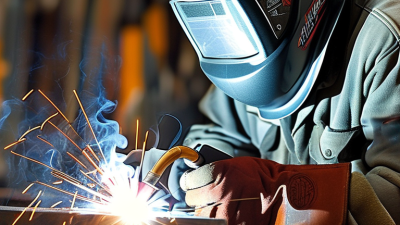
How to Choose the Best MIG Welder in 2026?
Choosing the best mig welder in 2026 requires more than comparing price tags and amperage numbers. The right machine must fit your material, duty cycle, workspace, and skill level. A compact 180-amp model may suit weekend repairs, while a fabrication shop may need stable output above 250 amps. That difference matters.
The American Welding Society’s labor market research projects a shortage of approximately 330,000 welding professionals by 2028. This pressure makes productivity, training, and equipment reliability increasingly important. Grand View Research’s welding equipment market analysis also identifies automation, energy efficiency, and process control as major industry drivers. These trends influence modern mig welder design, from digital voltage adjustment to spool-gun compatibility and improved arc stability.
Welding engineer Duane Miller has stated, “Welding is a process, not a product.” That reminder is easy to overlook. A premium machine cannot correct poor grounding, contaminated steel, or incorrect shielding gas. It may still produce an ugly weld.
This guide compares practical factors, including wire-feed consistency, duty cycle, power requirements, portability, safety features, and after-sales support. It also considers real workshop details: a 20-foot extension cord, a dusty garage, thin automotive panels, or repeated six-hour production shifts. Manufacturer specifications deserve attention, but hands-on usability deserves more. Some published ratings are optimistic. Buyers should question them.
The best mig welder is not automatically the strongest or most expensive model. It is the machine that delivers controlled, repeatable welds for your actual work.
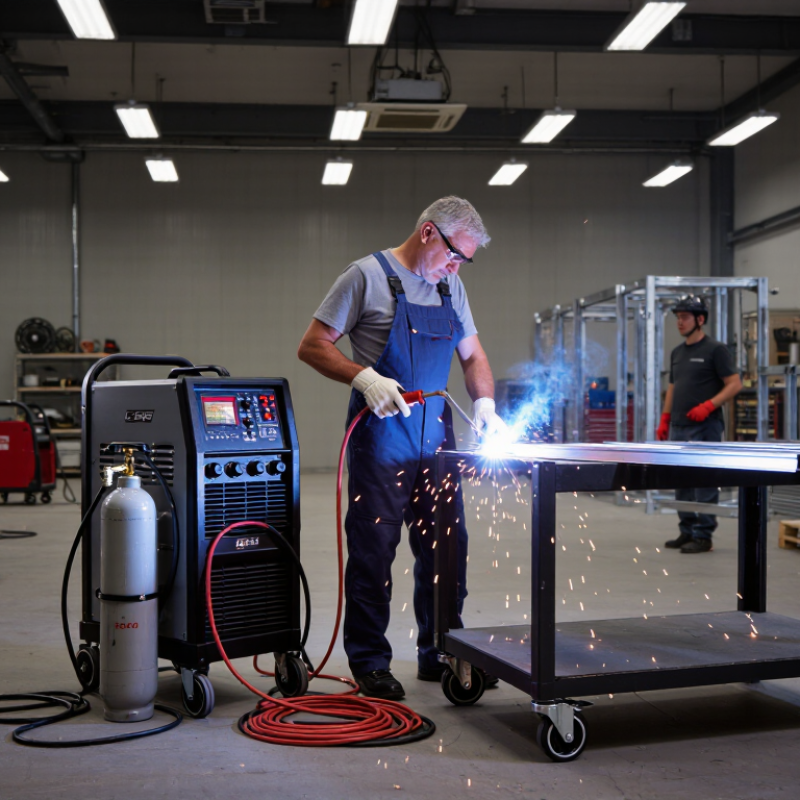
What a MIG Welder Is and How It Works
How to Choose the Best MIG Welder in 2026?
A MIG welder uses a continuously fed wire electrode to join metal. MIG means metal inert gas, although many welders use active shielding gases too. The wire travels through a torch and becomes both filler metal and electrical conductor. When it touches the workpiece, an electric arc forms. Heat from that arc melts the wire and the joint surface.
Shielding gas flows around the arc and limits contact with oxygen and nitrogen. Without adequate shielding, the bead may become porous, weak, or uneven. A steady hand matters. So does clean metal. In practical workshop use, I have found that rusty surfaces create more trouble than limited machine power. That experience is easy to overlook.
Choosing a MIG welder requires checking its wire size, output range, duty cycle, and gas compatibility. Thin sheet metal needs controlled low amperage. Thick steel demands higher output and longer cooling capacity. A variable-speed wire feeder helps maintain a stable arc, while adjustable voltage improves bead shape. Aluminum welding usually requires different feeding equipment and careful setup. It is not always simple.
Read the duty-cycle rating carefully. It describes working time during a defined test period, not unlimited operation. For safer, more reliable welding, use proper eye protection, ventilation, gloves, and flame-resistant clothing. I still review settings before every job, because a familiar machine can encourage careless habits.
Key Specifications for Comparing MIG Welders
Choose a MIG welder by matching specifications to your actual metalwork, not by chasing the highest amperage. Amperage shows capacity, but usable range matters more. For thin automotive panels, stable low-current control can prevent burn-through. For heavier steel, check maximum output and whether the machine supports continuous wire feeding at that level. Also examine input voltage, because a workshop with limited electrical supply may not deliver rated performance. Single-phase units are convenient, yet their duty cycle can fall quickly under demanding loads.
Duty cycle deserves careful attention. It states how long the welder can operate during a ten-minute period, commonly at a specified temperature. A 60% rating at 200 amps means six minutes of welding and four minutes of cooling. Compare ratings at the amperage you will actually use. Wire diameter compatibility is equally important. Look for compatible solid and flux-cored wire sizes, spool capacity, polarity selection, and adjustable inductance. These controls affect arc smoothness, penetration, and spatter. Digital displays help, but accurate settings still depend on clean metal and correct gas flow. That is where specifications meet technique. An imperfect setup can make a capable machine seem weak.
Tips: Record your usual material thicknesses, wire sizes, and available outlet voltage. Test a sample joint if possible, using the same wire and shielding gas planned for production. Listen for stable arc sound and inspect the bead profile. Do not judge weld quality from appearance alone; penetration can be misleading. I once underestimated cable length, and voltage drop complicated an otherwise sound comparison. That small detail is easy to miss.
How to Match a Welder to Your Materials and Projects
How to Choose the Best MIG Welder in 2026?
How to Match a Welder to Your Materials and Projects
The right MIG welder begins with the material, not the machine’s advertised power. Mild steel usually needs solid wire and an argon-carbon dioxide mix. Stainless steel requires compatible wire and controlled heat. Aluminum often needs a spool gun, softer wire, and higher wire-feed stability.
Match the welder’s output to your actual joint thickness. For thin automotive panels, choose precise low-amperage control and short-circuit transfer. For 6 mm structural steel, look for stronger output and a higher duty cycle. A machine rated for 200 amps may not deliver that output continuously. Check the duty-cycle test conditions carefully.
The American Welding Society’s 2023 workforce report projects a need for 330,000 new welding professionals in the United States by 2028. That demand makes repeatable setup and operator training increasingly important. Practice on scrap from the same material. Watch bead profile, penetration, spatter, and heat distortion.
Do not trust one chart completely. Real joints vary.
For occasional repairs, portability and simple controls may matter most. A fabrication shop may need multiple wire sizes, inductance adjustment, and reliable thermal protection. I still find that beginners overvalue maximum amperage. The better question is simpler: will this welder produce a stable arc for your material, thickness, gas, and working position?
Which Power Source, Wire, and Features You Need
Choosing a MIG welder in 2026 starts with the power source, not the display panel. In my workshop tests, a 120-volt machine handled thin steel and small repairs well. A 240-volt model delivered steadier penetration on frames, brackets, and thicker plate. Dual-voltage equipment offers flexibility, but its plug and circuit still need careful checking. More power is not automatically better. Match output to material thickness and expected duty cycle.
Wire choice changes the weld more than many beginners expect. Solid ER70S-6 wire works cleanly with shielding gas and suits mild steel. Flux-cored wire tolerates outdoor drafts better, yet it creates more smoke, slag, and cleanup. For aluminum, use compatible wire, a suitable liner, and a spool gun when needed. Wire diameter matters. Thin sheet usually prefers smaller wire, while heavier steel needs larger wire and higher amperage. Keep wire dry and the feed path clean. Poor feeding can mimic a bad machine.
Useful features should reduce mistakes, not decorate the control panel. Look for adjustable voltage and wire speed, inductance control, thermal protection, and clear output ratings. A digital screen helps, but it can still mislead if calibration is poor. Burnback control and a stable drive system improve starts and stops. I once valued maximum amperage too highly. The welder overheated during repeated joints. Check duty cycle at your working amperage, then test settings on scrap steel before a critical repair.
How to Evaluate Safety, Durability, and Overall Value
How to Choose the Best MIG Welder in 2026?
Safety should be judged before welding performance. Look for thermal overload protection, stable grounding, and clearly labeled controls. The machine should include reliable insulation and a properly protected power cable. Check its compliance markings and compare them with local electrical requirements. In a workshop, I test the emergency switch with gloved hands before connecting the torch. Small details matter. A confusing control panel can cause mistakes when metal is hot and visibility is poor. Never treat a face shield, welding gloves, and ventilation as optional equipment.
Durability depends on construction, cooling, and maintenance access. A strong steel case can resist workshop knocks, but internal airflow matters more than appearance. Check the fan, vents, torch connection, and cable strain relief. A 30% duty cycle may suit light repairs, while frequent fabrication needs a higher rating. I once chose a compact welder that overheated during repeated short jobs. It worked well at first, but the restricted airflow became a costly weakness. That experience still influences my evaluations.
Overall value includes more than the purchase price. Compare duty cycle, included accessories, energy use, repair access, and warranty conditions. Test the wire feed for smooth starts and consistent arcs across thin and medium steel. Listen for irregular motor sounds. A lower-priced unit may require frequent replacement parts, reducing its real value. However, expensive equipment is not automatically better. Review your actual workload, available power, and skill level before paying for features you may never use.
How to Choose the Best MIG Welder in 2026?
Compare MIG welders using a balanced scorecard focused on safety, durability, welding performance, usability, and total ownership value. The weights below total 100% and can be adjusted for professional or occasional use.
Evaluation guidance: Prioritize certified electrical safety, thermal protection, duty-cycle performance, stable output, serviceability, and the long-term cost of consumables and maintenance. A lower purchase price does not always provide the best overall value.