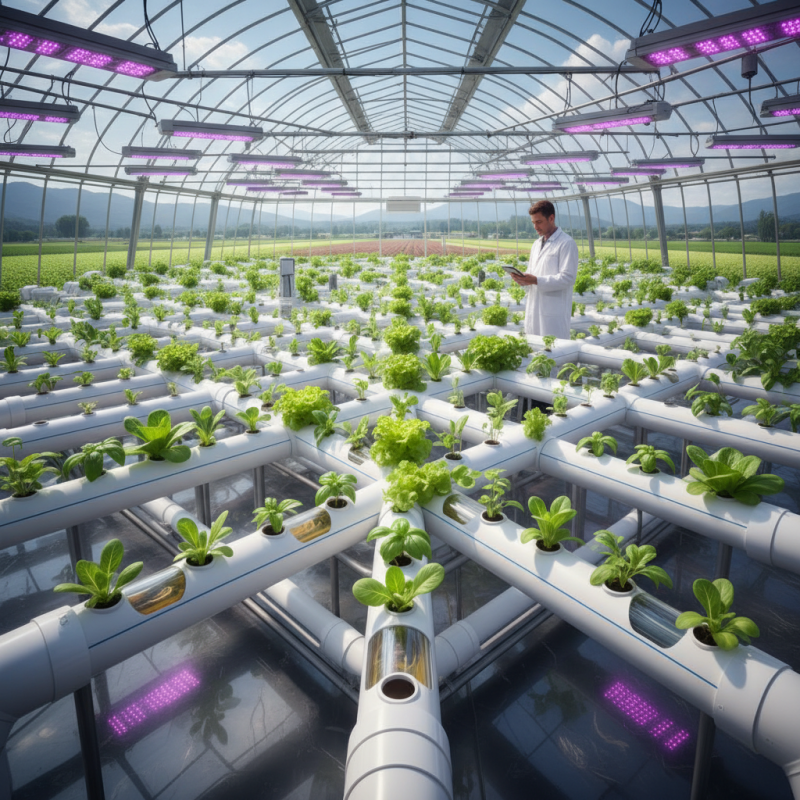
Best Hydroponics Pipe Tips for Successful Farming?
Hydroponics farming is transforming modern agriculture. It allows for efficient crop production without soil. A crucial component in this system is the Hydroponics pipe. These pipes transport nutrient-rich water to plants, facilitating their growth.
Choosing the right hydroponics pipe is essential for success. Not all pipes are created equal. Some may clog easily or leach harmful substances. Investing in quality materials can prevent future headaches. Careful installation and maintenance are key aspects to consider.
Farmers often overlook the importance of pipe design. A well-thought-out setup can improve water flow and nutrient distribution. Experimenting with different configurations can yield surprising results. Remember, every system may require adjustments for optimal performance. Reflecting on your choices can lead to greater yields in hydroponics farming.
Choosing the Right Hydroponics Pipes for Optimal Growth
Choosing the right hydroponics pipes is crucial for optimal plant growth. The material of the pipes can significantly affect nutrient delivery and root health. PVC is commonly used due to its durability and ease of installation. However, it may not always be the best choice for every system. Consider the specific needs of your plants before making a decision.
When selecting pipes, pay attention to size and diameter. A larger diameter can improve water flow and nutrient distribution. But it can also require more space and resources. Smaller pipes might limit flow but allow for higher density planting. Balance is key.
Here are some tips to ensure success. Regularly check for clogs and blockages. Even minor disruptions can impact plant health. Monitor water temperature and pH levels, as they directly influence nutrient absorption. Don't forget to reflect on your setup. If you notice slow growth, it might be time to reevaluate your pipe choices and their impact on your plants.
Essential Types of Hydroponics Pipe Systems Explained
Hydroponics systems are gaining traction in modern agriculture due to their efficiency. These systems eliminate soil and reduce water usage by up to 90%. A vital component is the hydroponics pipe system, which effectively transports nutrient solutions to the plants.
Various types of hydroponics pipes exist. Nutrient Film Technique (NFT) pipes allow a thin film of nutrient-rich water to flow over the roots. This method supports rapid growth but requires precise flow management. Deep Water Culture (DWC) relies on pipes to suspend plant roots in a nutrient solution, ensuring optimal oxygen levels. Lastly, Ebb and Flow systems use pipes to flood plant roots periodically, offering robust growth but demanding regular monitoring.
Each system has its pros and cons. NFT might struggle with pump failures, risking plant health. DWC needs careful oxygen management; roots can drown without proper aeration. Ebb and Flow systems require more routine maintenance. Understanding these nuances is crucial for successful implementation. The right choice often depends on the specific crops and farming conditions. Comprehensive studies suggest that farmers should matching pipe systems with plant characteristics for optimal yields.
Best Hydroponics Pipe Systems: Performance Comparison
This chart compares the average yield per square meter of various hydroponics pipe systems. The Nutrient Film Technique and Aeroponics show higher yields, indicating effective utilization of resources for successful farming.
Maintenance Tips to Ensure Longevity of Hydroponics Pipes
When maintaining hydroponics pipes, cleanliness is crucial for optimal performance. Regularly inspect the pipes for algae growth and blockages. Utilize a soft brush or cloth for routine cleaning. A gentle cleaning solution can help dissolve stubborn residues without damaging the pipes. Consistency in cleaning prevents nutrient build-up, ensuring smooth water flow.
Water quality is equally important. Monitor pH levels and mineral content regularly. Knowledge of your water source can reveal issues that might affect your system. If water quality fluctuates, consider using filtration methods or additives to maintain balance. Testing the system’s performance periodically is a useful practice.
Remember, leaks can be a problem, too. Check fittings and seals for wear and tear. Small leaks can escalate if not addressed promptly. A simple visual inspection can save you from larger issues later on. Always keep spare parts handy for quick repairs while you assess the overall condition of your hydroponics setup.
Best Practices for Nutrient Flow and Pipe Design
In hydroponic farming, nutrient flow and pipe design are critical factors that impact plant growth. Proper nutrient delivery can enhance crop yield significantly. According to industry reports, optimizing nutrient solution flow can increase plant growth rates by up to 30%. This is largely influenced by the design of the piping system.
Pipe diameter plays a crucial role. A diameter that is too small can restrict flow, while one that is too large can lead to nutrient stagnation. Finding the right balance is essential. Regular monitoring of flow rates is recommended. Adjustments may be needed based on plant growth stages.
Additionally, the material of the pipes matters. Some materials can leach chemicals into the nutrient solution. This problem can affect plant health. Regular maintenance and inspections are necessary to prevent buildup and blockages. Planning for potential issues is part of a successful strategy. Engaging with your hydroponics system regularly can make a significant difference.
Troubleshooting Common Issues in Hydroponics Pipe Systems
When working with hydroponics pipe systems, troubleshooting is essential. One common issue is clogs. Clogs can prevent nutrient flow, leading to plant stress and poor growth. Regularly check the pipes for buildup. Use clean water to flush the system. This simple step can reduce many problems.
Another frequent issue is leaks. Leaks can waste resources and impact plant health. Inspect joints and connections regularly. Seal any leaks promptly to maintain efficiency. Ensure all fittings are tight. Sometimes, even a small leak can cause significant trouble.
Temperature fluctuations also affect hydroponics systems. Pipes should be insulated to maintain an optimal environment, helping prevent root damage. If temperature drops too low, plants may not absorb nutrients effectively. Monitor both water and air temperatures regularly. Adjustments can help avoid stress on your plants. Address these issues early for better yields.