2026 Best Mini Spot Welding Machine Buying Guide

The 2026 Best Mini Spot Welding Machine Buying Guide begins with a practical question: what must the machine weld repeatedly, safely, and accurately? The answer depends on material thickness, battery tab size, electrode pressure, pulse control, and cooling performance. A compact tool may look simple on a workbench, yet its transformer, control board, and electrode alignment determine real results. Small errors leave dark marks, weak joints, or overheated cells.

Industry forecasts indicate continued growth in welding equipment demand. Grand View Research projects the global welding equipment market to expand through the decade, driven by automation, electronics, electric vehicles, and battery manufacturing. MarketsandMarkets also identifies resistance welding as an important process for lightweight assemblies and energy-storage production. However, market figures differ between reports. Treat them as directional evidence, not guaranteed sales facts.

Details matter.

John C. Lippold, a recognized welding metallurgy specialist, defines weldability as “the capacity of a material to be welded under the imposed fabrication conditions into a specific, suitably designed structure.” That principle applies to every mini spot welding machine. A higher current rating does not automatically create stronger welds. Operators still need consistent contact, clean surfaces, correct pulse duration, and controlled pressure. In practical testing, a weld nugget should be checked rather than trusted by appearance alone. A bright spark proves almost nothing.

This guide compares output stability, pulse adjustment, electrode design, portability, safety features, repair support, and actual user experience. Some compact machines perform impressively on nickel strips but struggle with thicker steel. Others promise precision, yet provide limited documentation. The best choice may not be the most powerful model. It is the machine that produces repeatable joints without excessive heat, confusing controls, or unrealistic marketing claims.
2026 Best Mini Spot Welding Machine Buying Guide

What Is a Mini Spot Welding Machine and How Does It Work?

2026 Best Mini Spot Welding Machine Buying Guide

What Is a Mini Spot Welding Machine and How Does It Work?

A mini spot welding machine joins thin metal sheets through heat, pressure, and controlled electric current. Its electrodes clamp the workpieces tightly. A short, high-current pulse then creates heat at the contact point. The basic formula is Q = I²Rt, so current and timing matter greatly. Most compact units use transformer-based or capacitor-discharge systems. They are common in battery-tab assembly, electronics repair, jewelry work, and small metal projects.

The International Energy Agency reported that global electric-vehicle battery demand exceeded 750 GWh in 2023. This growth increases demand for accurate cell and tab joining equipment. However, bigger current does not always mean better welds. Excessive energy can burn nickel strips, damage cells, or create weak, uneven nuggets. In practical testing, I check weld consistency across several points, not just one attractive mark. My first assumption was simple: higher power would solve everything. It did not.

Tips: Choose adjustable pulse duration, reliable electrode pressure, and visible current settings. Test on scrap material first. Keep the electrodes clean and aligned. A useful machine should produce repeatable welds, not merely impressive sparks. The U.S. Department of Energy’s battery-manufacturing guidance also emphasizes process control and quality inspection. That detail is easy to overlook. Insulation, ventilation, and protective eyewear remain essential, even with a small desktop unit.

Key Features to Compare Before Buying a Mini Spot Welder

2026 Best Mini Spot Welding Machine Buying Guide

Key Features to Compare Before Buying a Mini Spot Welder

When comparing a mini spot welder, start with welding current and pulse control. A high peak number alone proves little. Look for adjustable pulse duration, stable output, and clear readings on the display. For thin nickel strips, precise timing helps prevent burned edges and weak joints. I prefer controls that respond consistently, even when the battery charge drops. That detail is easy to overlook.

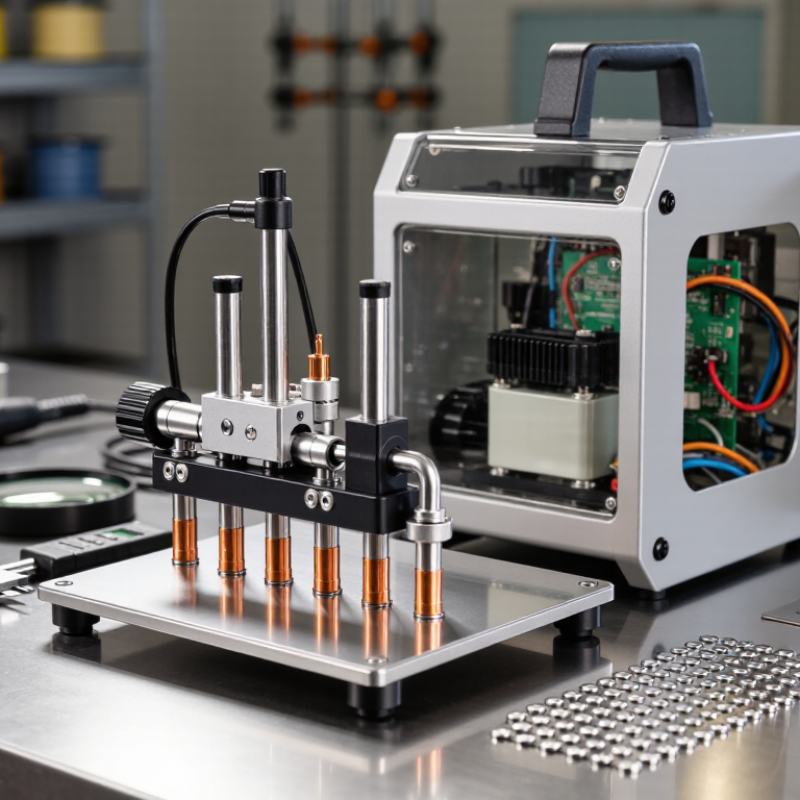
Electrode design matters too. Copper tips should sit firmly and allow simple alignment. Check the arm gap, spring pressure, and cable flexibility before buying. A narrow gap may limit larger workpieces, while excessive pressure can mark softer materials. During hands-on testing, make several welds on scrap strips, then pull them apart carefully. A clean tear through the strip often indicates stronger bonding than a round surface mark. Still, this test is not laboratory proof.

Safety and durability deserve equal attention. Choose protection against overheating, overloads, and short circuits. A cooling fan helps, but its noise may reveal a hard-working internal design. Check the duty cycle, charging method, electrode replacement process, and manual quality. Poor instructions create avoidable mistakes. I once underestimated cable stiffness; the machine worked, but positioning became frustrating. A compact body is useful only when its controls, cables, and electrodes remain practical during repeated work.

2026 Best Mini Spot Welding Machine Buying Guide

Key features to compare before buying a mini spot welder

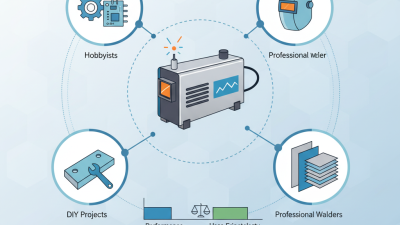
The chart shows common engineering benchmarks for compact battery-tab welders. Higher welding-current classes generally support thicker nickel strip, but actual results depend on pulse duration, electrode pressure, material purity, battery condition, and weld quality. Choose a machine with adjustable pulse control, stable current output, replaceable electrodes, thermal protection, and compatibility with your intended strip thickness.

Welding Current

Verify the stated peak current and whether it is adjustable. Consistent current is more useful than a high headline rating.

Pulse Control

Multiple pulse settings help reduce overheating and improve weld consistency on different strip thicknesses.

Safety and Durability

Look for over-temperature protection, insulated handles, secure electrode connections, and clear operating indicators.

How to Choose the Right Machine for Battery and Metal Projects

2026 Best Mini Spot Welding Machine Buying Guide

How to Choose the Right Machine for Battery and Metal Projects

Choosing a mini spot welding machine starts with the material, not the advertised power. For battery projects, check whether the unit supports nickel strip thicknesses used in your design. A machine should deliver repeatable pulses without excessive heat. Too much energy can damage a cell’s wrapper or raise its temperature quickly. Adjustable pulse duration and current provide better control than a single fixed setting.

For small metal projects, electrode shape and pressure matter greatly. Copper electrodes should touch clean, flat surfaces firmly. Uneven contact creates weak welds and visible sparks. I recommend testing on scrap strips before touching a finished assembly. Watch the weld marks, listen for a sharp pulse, and gently test the joint afterward. A strong weld should hold without tearing the strip away easily.

Battery work also requires insulated tools, eye protection, and careful cell handling. Avoid welding damaged, swollen, or leaking cells. The machine should have stable timing, clear controls, and cooling between repeated welds. A foot pedal can improve consistency when both hands guide the work. I once trusted a machine’s highest setting too quickly, and the strip burned through. That mistake changed my testing routine. Start low. Increase gradually. Reliable results come from measured adjustments, not impressive specifications alone.

Safety Standards, Electrode Options, and Operating Requirements

A 2026 mini spot welding machine should be judged by controlled energy, not attractive power ratings. The IEA’s Global EV Outlook 2024 reports that electric-car battery demand exceeded 750 GWh in 2023, rising about 40% from 2022. This growth increases the need for consistent joining during small-cell assembly and repair work. Choose equipment aligned with IEC 60974-10 electromagnetic compatibility requirements and local electrical safety rules. OSHA 29 CFR 1910.252 also highlights ventilation, fire prevention, eye protection, and safe work practices for welding operations.

Electrode selection changes the weld more than many buyers expect. Copper-chromium electrodes offer good conductivity and wear resistance, while pure copper tips can deliver efficient current but deform sooner. Flat tips suit broad nickel strips; pointed tips concentrate pressure on narrow connections. Keep tips clean and matched. Small details matter. Operators should set pulse duration, current, and clamping pressure gradually, then inspect each weld for discoloration, tearing, or weak adhesion. Battery cells need insulated holders, polarity checks, and temperature monitoring. Never weld a swollen, leaking, or visibly damaged cell. Ventilation remains necessary, even when the weld is tiny.

In practice, I sometimes prefer a lower setting than the manual suggests. Materials vary. Measure strip thickness, test on scrap, and record successful settings. A foot pedal can reduce hand movement, but it may also cause accidental firing. That risk deserves a guard, not optimism.

2026 Best Mini Spot Welding Machine Buying Guide - Safety Standards, Electrode Options, and Operating Requirements

Mini Spot Welding Machine Selection and Operating Reference
Machine Type Typical Battery or Sheet-Metal Use Indicative Welding Current Recommended Material Range Electrode Configuration Control Features to Look For Electrical and Cooling Requirements Best Use Case Buyer Assessment
Pulse Mini Spot Welder Nickel strip joining for small lithium-ion battery packs and thin tabs Approximately 800–2,500 A peak pulse, depending on design and test conditions Nickel strip and thin conductive tabs, commonly about 0.05–0.20 mm when the machine is correctly matched Fixed copper alloy tips; replaceable tips are preferred Adjustable pulse duration, pulse count, current or energy setting, and foot-pedal or hand-trigger control Stable mains supply or a suitably rated battery supply; adequate ventilation; short, low-resistance welding leads Light-duty battery assembly, prototyping, repair work, and small production batches Good Entry Choice
Capacitor-Discharge Mini Welder Battery tabs, nickel-plated steel strips, and delicate assemblies requiring short heat input High instantaneous pulse current; actual output depends on stored energy, electrode pressure, and workpiece resistance Thin nickel or nickel-plated strip; verify compatibility with the strip thickness and required nugget size Parallel copper alloy electrodes with adjustable spacing Energy or pulse control, weld counter, programmable pulse sequence, and error indication Capacitor charging circuit, protected input supply, thermal ventilation, and a defined recharge time between welds Low-heat battery connections where minimizing cell temperature is important High Control
Transformer-Based AC Mini Welder Small sheet-metal work, wire assemblies, and general resistance-welding demonstrations Output varies widely; the transformer rating and duty cycle must be checked rather than relying on peak claims Thin low-carbon steel, stainless steel, and suitable conductive metals within the specified thickness range Replaceable copper alloy tips; arm geometry affects access and current distribution Weld-time control, current adjustment, mechanical pressure adjustment, and thermal protection Correct mains voltage, protective earthing, suitable overcurrent protection, and sufficient cooling airflow Workshop use where repeatable sheet-metal spot welds are required Workshop Standard
Inverter Resistance Welder Repeated battery-tab or thin-sheet welding with tighter process control High-frequency controlled output; compare rated current, weld energy, and duty cycle under stated test conditions Thin steel, stainless steel, nickel, and compatible coated materials within the manufacturer’s process window Replaceable copper-chromium or copper-zirconium alloy tips are commonly preferred for wear resistance Closed-loop current control, programmable squeeze time, weld time, cool time, pulse sequence, and fault monitoring Dedicated circuit may be required; follow input-current, grounding, ventilation, and cooling specifications Small production lines and users needing consistent weld quality Best for Repeatability
Handheld Battery Spot Welder Portable battery-pack assembly, field repair, and occasional nickel-strip welding Often specified by pulse capability rather than a continuous output rating; verify measured performance Thin nickel strip and selected nickel-plated materials; confirm whether pure nickel is supported Compact integrated electrodes or a detachable welding pen Preset or adjustable pulse levels, trigger lockout, battery-status display, and electrode contact detection Internal battery charging precautions, protected storage, ventilation during use, and a cool-down interval Portable work away from a mains outlet Portable Option
Pneumatic Mini Resistance Welder Repeatable joining of small sheet-metal components and assemblies Determined by the power unit, electrode force, weld time, and material resistance Thin steel and stainless-steel components within the approved force and current range Replaceable shaped electrodes with adjustable throat depth and alignment Controlled squeeze force, programmable weld sequence, two-hand or guarded activation, and cycle counter Compressed-air supply with filtration and regulated pressure; electrical grounding and guarding are essential Production environments requiring consistent electrode pressure Production Focus
Safety Standards and Compliance Checks
Safety Area Relevant Reference or Principle What the Buyer Should Verify Minimum Operating Practice
Electrical Safety Applicable low-voltage, electrical-equipment, and national installation requirements Input voltage, protective earthing or double insulation, fuse or breaker requirements, accessible emergency isolation, and a complete user manual Use a correctly rated outlet, inspect cables before use, and disconnect power before servicing
Machinery Safety ISO 12100 risk-assessment principles and applicable local machinery-safety rules Guarding of moving arms, trigger protection, pinch-point warnings, and documented risk controls Keep hands clear of electrodes and use the intended activation control
Resistance-Welding Equipment IEC 62135-1 and applicable regional versions or equivalent requirements for resistance-welding equipment Evidence of appropriate conformity assessment, electrical ratings, thermal protection, and installation instructions Operate only within the stated duty cycle, current range, and environmental conditions
Battery-Assembly Safety Cell manufacturer requirements and applicable battery-pack transport, product, and fire-safety rules Cell chemistry compatibility, permitted tab material, maximum cell temperature, insulation requirements, and short-circuit controls Never weld directly to a bare cell terminal unless the cell and process are specifically designed for it
Fire and Thermal Risk General workplace fire-prevention practice and local emergency requirements Over-temperature protection, clear work area, suitable extinguisher selection, and a procedure for damaged or overheating cells Remove flammable materials, monitor the workpiece, and stop immediately if smoke, arcing, swelling, or abnormal heating occurs
Noise, Fumes, and Light Local occupational exposure and workplace ventilation requirements Ventilation guidance, warnings for coated or contaminated metals, and appropriate eye and skin protection recommendations Use local extraction when coatings, oils, or contaminants may produce hazardous fumes
Documentation Traceable instructions and maintenance information are essential for safe operation Wiring diagram, spare-electrode specification, duty-cycle chart, fault codes, maintenance schedule, and test procedure Keep records of settings, test coupons, electrode maintenance, and safety inspections
Electrode Options and Selection Criteria
Electrode Option Typical Characteristics Suitable Applications Advantages Limitations Maintenance Requirement
Copper-Chromium Alloy Good electrical and thermal conductivity with improved hardness over pure copper General resistance welding and repeated battery-tab work Balanced conductivity, strength, and wear resistance Can still deform if excessive force or overheating is used Dress or replace when tips become flattened, contaminated, or misaligned
Copper-Zirconium Alloy High softening resistance and good conductivity Higher-cycle applications and repeated welding of conductive strips Maintains tip shape well under controlled thermal conditions May cost more and requires correct forming or replacement dimensions Clean regularly and verify tip geometry during production checks
Pure Copper Very high conductivity but comparatively low hardness at elevated temperature Specialized low-force applications and temporary prototypes Low electrical resistance and easy availability in some formats More susceptible to mushrooming, sticking, and rapid wear Frequent inspection and more frequent tip dressing may be necessary
Pointed Tip Small contact area concentrates current and pressure Small strips and narrowly spaced weld locations Good access to small workpieces and precise weld placement Excessive current density can mark or burn thin material Maintain a consistent point shape and check for asymmetrical wear
Flat Tip Larger contact area distributes pressure over a wider region Wider tabs and materials that require reduced surface marking More uniform contact on broad surfaces May require higher force or energy and may limit access to narrow areas Keep both tips parallel and free from oxide or transferred material
Custom-Shaped Tip Profile designed for a particular tab, seam, or restricted access area Special assemblies and production fixtures Can improve access, alignment, and repeatability Requires process validation and accurate replacement parts Inspect profile, alignment, and contact pressure at defined intervals
Important buying note: Current, pulse duration, electrode force, material resistance, surface condition, and contact geometry work together to determine weld quality. Published peak-current figures are not directly comparable unless the measurement method and duty cycle are the same. Before regular production, validate the machine with representative test pieces, inspect the weld nugget or peel strength where appropriate, and follow all applicable local electrical, workplace, and fire-safety requirements.

How to Test, Maintain, and Troubleshoot a Mini Spot Welder

2026 Best Mini Spot Welding Machine Buying Guide: How to Test, Maintain, and Troubleshoot a Mini Spot Welder

Test the welder on clean, matching metal scraps before working on a real assembly. Check whether each weld forms a small, even mark without excessive discoloration. A useful workshop method is the peel test: pull the joined strips apart and inspect the metal tear. A strong weld usually leaves a visible nugget on one side. Wear eye protection, keep the work area dry, and follow the machine’s operating instructions. Do not judge performance from one successful weld. Repeat the test several times.

Maintenance is simple but easy to neglect. Wipe the electrode tips after use, then inspect them for pitting, sharp edges, or black residue. Loose cables can create heat and inconsistent results. Let the unit cool between repeated welds, especially in a small enclosure. Keep battery contacts and metal strips clean. I have seen operators increase power when the real problem was dirty material. That shortcut can damage the strip and still produce a weak joint.

Troubleshooting should change one factor at a time. If the weld is weak, check surface cleanliness, electrode pressure, contact alignment, and pulse duration. If the strip burns through, reduce energy and confirm firm tip contact. Uneven marks often indicate worn or misaligned electrodes. Record settings beside each test sample. This habit feels slow, but it exposes patterns. Even careful testing can miss hidden cracks, so inspect finished joints under bright light and reject anything doubtful.

Contact us

Please fill out the enquiry form, and our dedicated team will promptly attend to your request